

x
BMW i3: ground‑breaking design
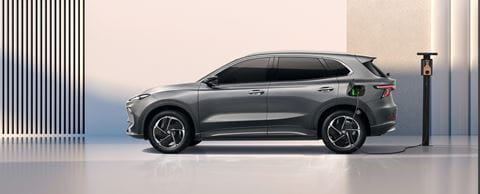
The i3 is the second BMW model developed on the high‑tech Neue Klasse architecture. It shares many components with the recently launched BMW iX3, yet its appearance is completely different. BMW returns to its classic design principles: a clean three‑box saloon with a short front overhang, a muscular wheelbase and a long rear overhang. The result is a perfectly balanced and timeless silhouette.
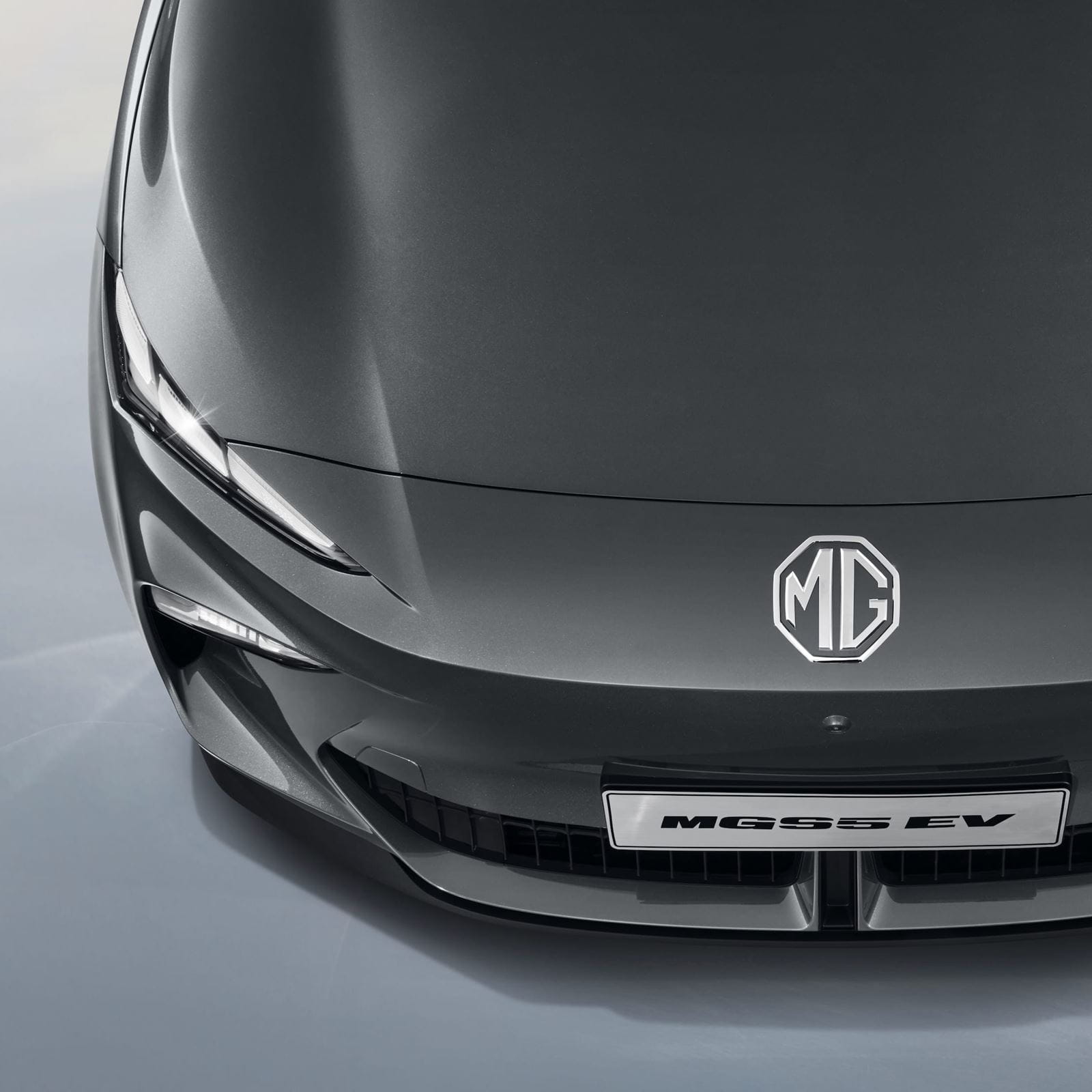
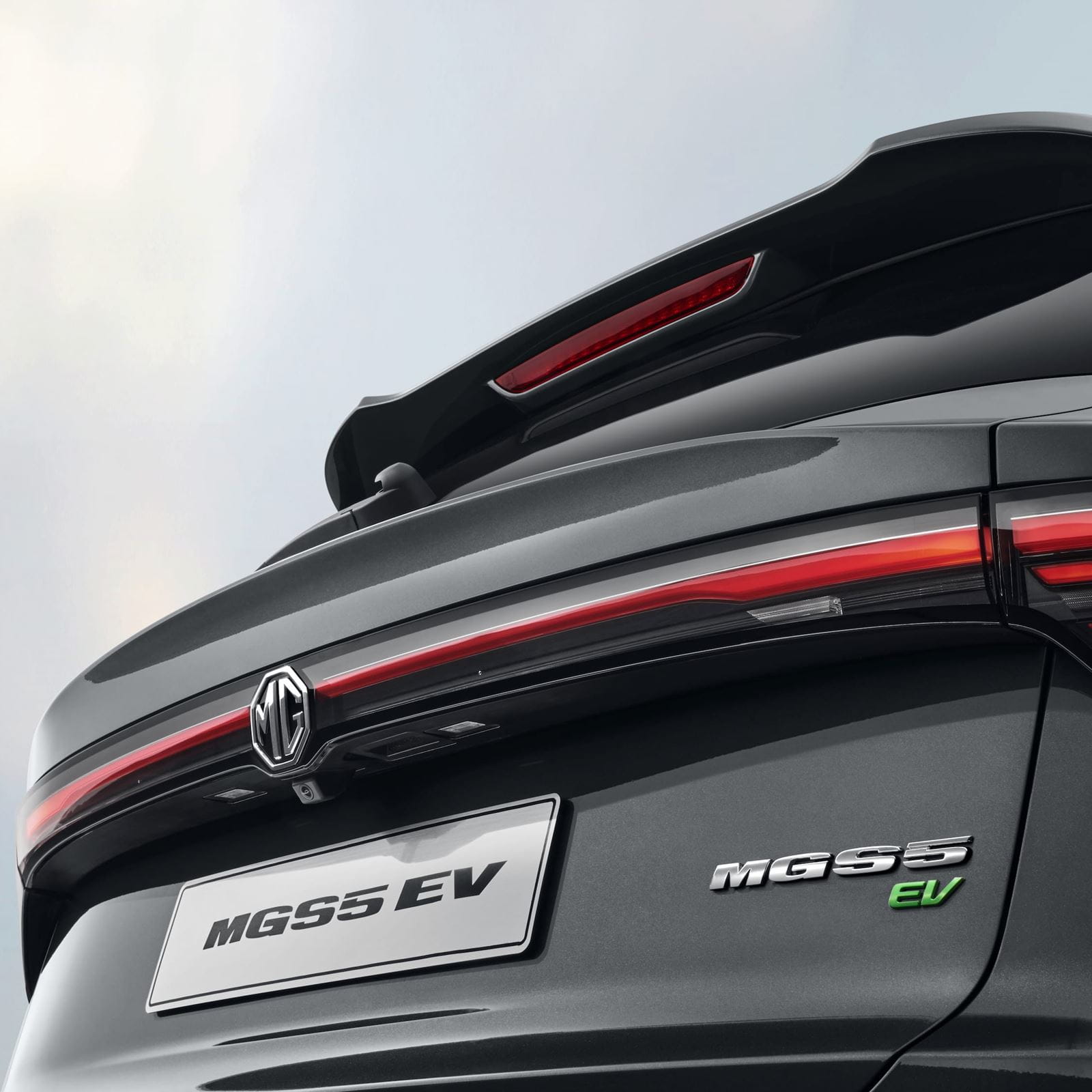
Even as a fully electric car, the BMW i3 exudes power. The bonnet is shorter than on combustion‑engine models, yet retains strong visual presence. A more steeply raked windscreen adds extra dynamism to the profile, while the subtly sculpted front end places even more emphasis on the BMW badge. At the centre sits a sleek panel housing the sensors for driver assistance systems, flanked by the iconic illuminated BMW kidney elements. The cleanly designed bumpers improve aerodynamics, while at the rear the characteristic BMW L‑shaped light clusters give the i3 a wider and sportier stance.
Boundary‑pushing technology
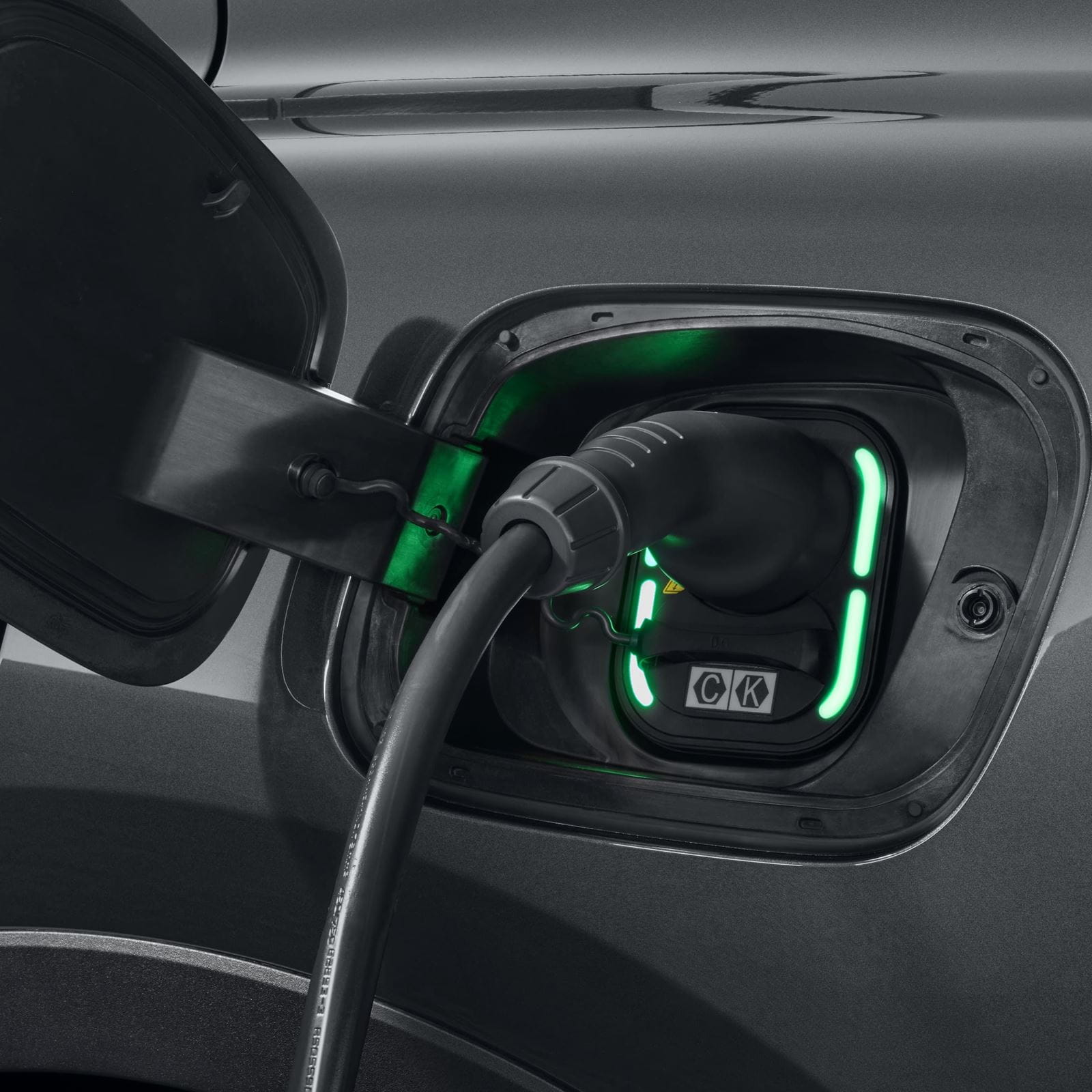
The Neue Klasse platform is built around an 800‑volt architecture. This enables DC fast charging at up to 400 kW, allowing up to 400 kilometres of additional range in just 10 minutes. At home, AC charging is possible at 11 kW, or optionally at 22 kW.
The BMW i3 is not only capable of charging, but also of supplying power. With Vehicle‑to‑Load (V2L) at up to 3.7 kW, you can power external devices, while Vehicle‑to‑Home (V2H) and Vehicle‑to‑Grid (V2G) support your home or the public electricity grid with up to 11 kW three‑phase power.
Initially, the BMW i3 will be launched as the powerful i3 50 xDrive, just like the iX3. With two electric motors – one on each axle – it delivers 345 kW (469 hp) and 645 Nm of torque. The 108.7 kWh (net) battery brings total weight to around 2.1 tonnes, but still enables acceleration from 0 to 100 km/h in under five seconds. The brand claims a WLTP range of nearly 900 kilometres for the i3 50 xDrive – more than 100 kilometres more than the BMW iX3 and also ahead of its key rival, the Mercedes‑Benz CLA 250+.
Minimalist yet futuristic interior
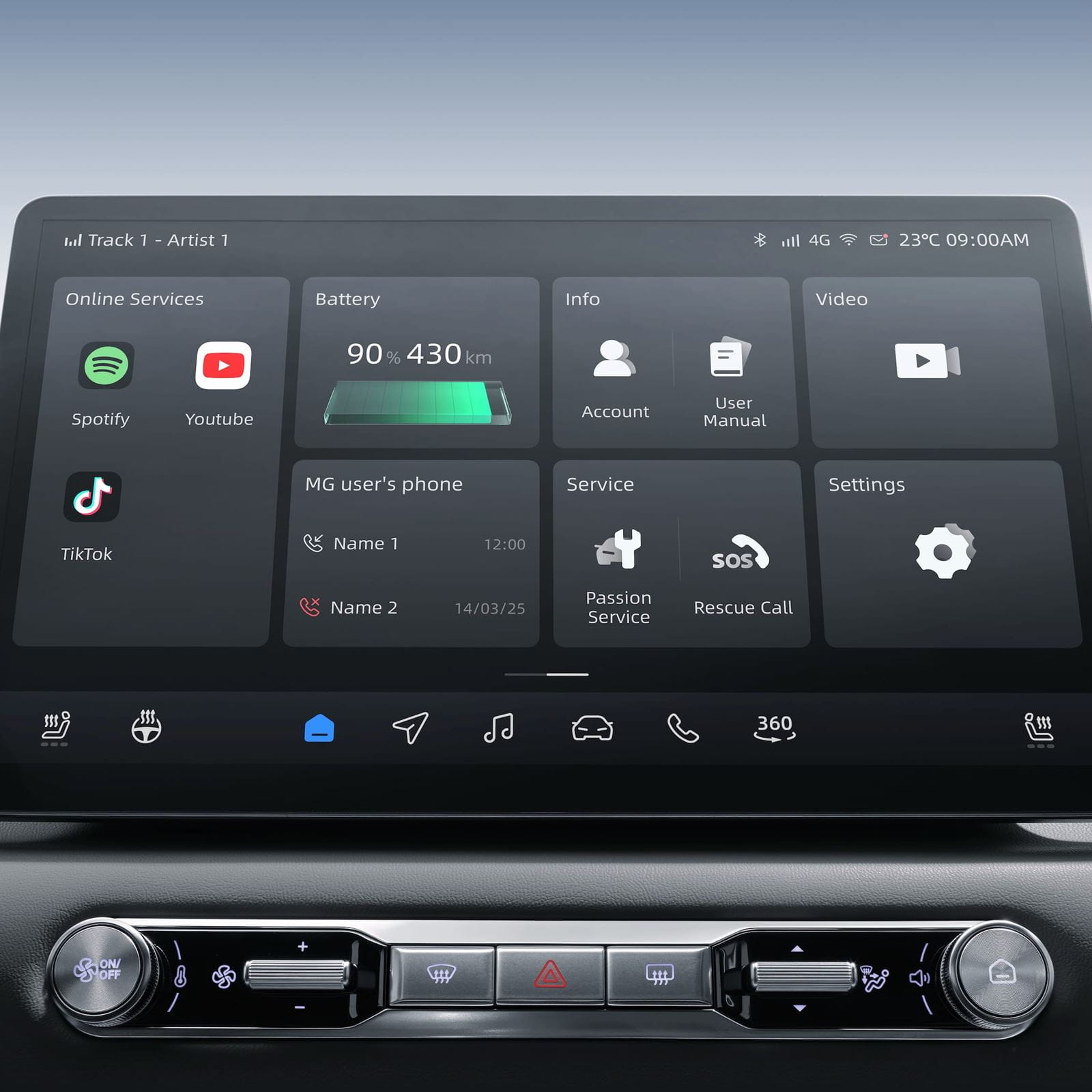
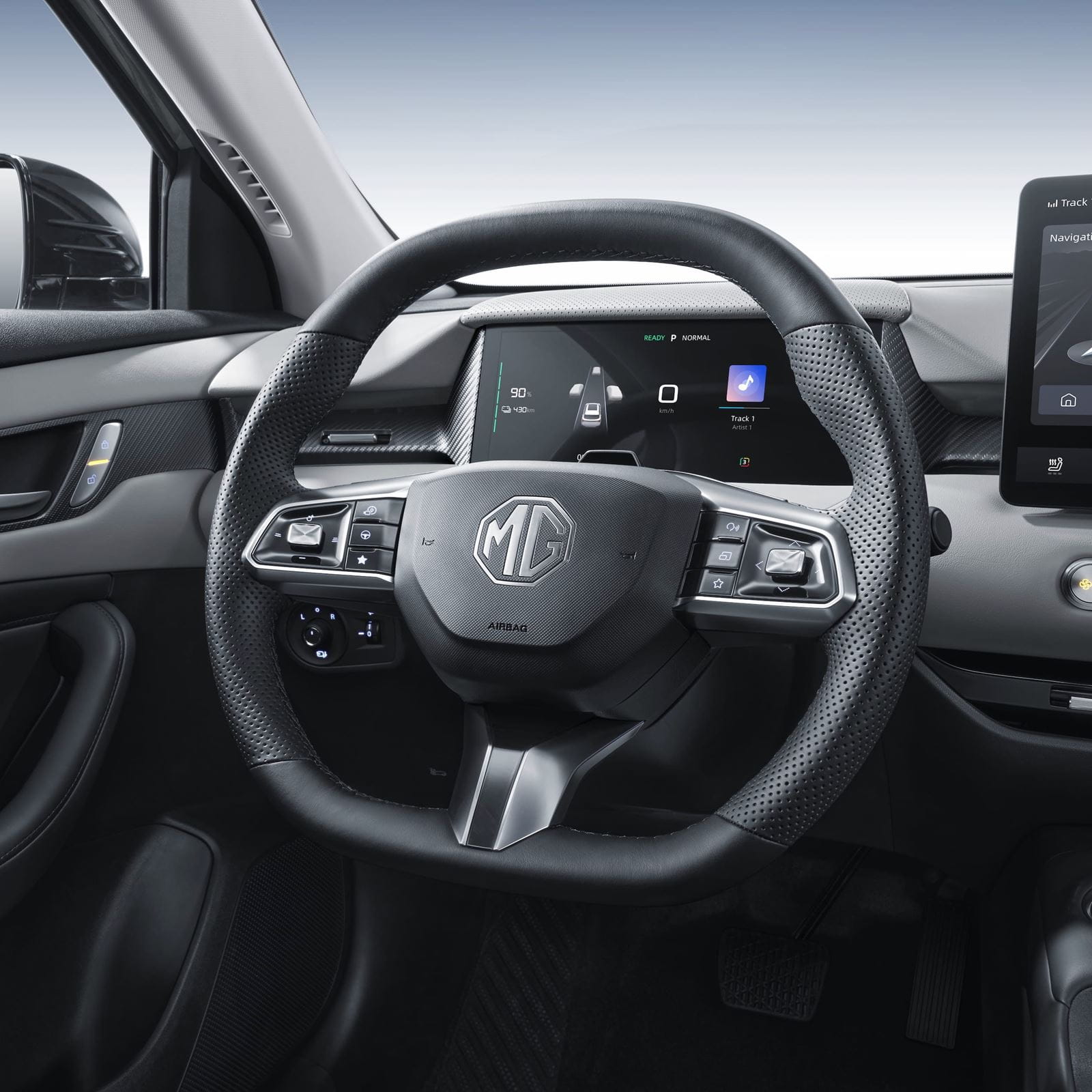
As with the iX3, BMW has created a futuristic, minimalist driver‑focused cockpit that prioritises ergonomics and innovation. At its heart is the BMW Panoramic iDrive interface: a seamless combination of Panoramic Vision (a wide, customisable display strip beneath the windscreen for driving and navigation information), a sharp head‑up display, and a 17.9‑inch central touchscreen angled towards the driver and perfectly within reach.
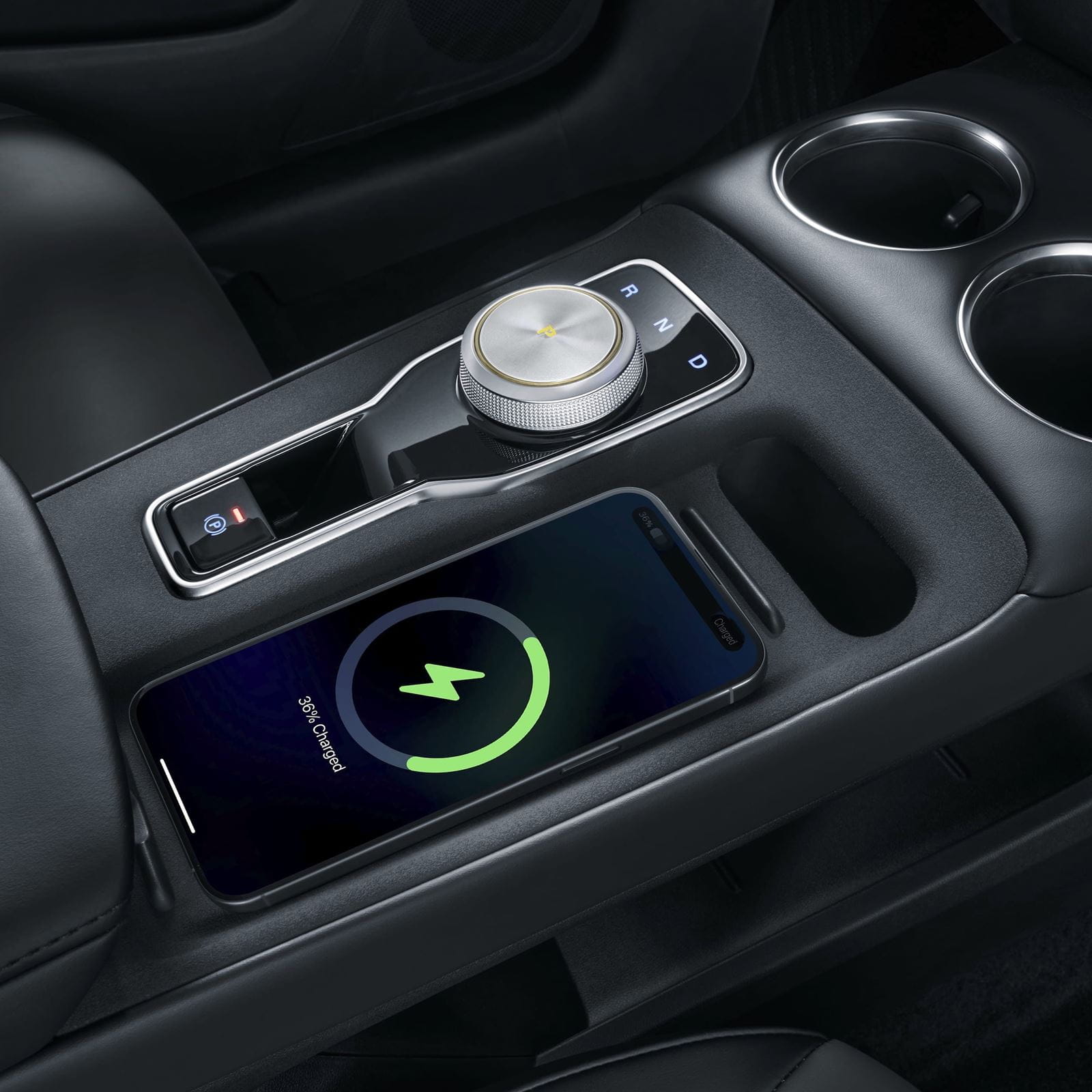
The striking steering wheel with two vertical spokes is also carried over from the iX3. It may take some getting used to, but in practice it proves surprisingly comfortable. Another notable change is the removal of physical climate control buttons. All functions are now controlled via the central screen using a clear ‘one‑layer’ interface – no deep menus, everything immediately accessible. AI‑supported voice control makes operation even more intuitive.
| Performance | Battery | Miscelleneous |
| Acceleration (0-100 km/h): 4.8 sec (GT), 3.9 sec (GTS) | Battery capacity: 89 kWh | Seats: 5 |
| Range (WLTP): 557 km | Fast charging (10-80%): 25 min | Emissions Co2: 0 g/km |
| Top speed: 200 km/h (GT), 220 km/h (GTS) | Max power: 470 hp | Boot: 532 L |
| Torque: 824 Nm | Battery: 400 V | Wheelbase: 2.708 |
New front design
Beautiful and functional
Clear and ergonomic
BMW i3