


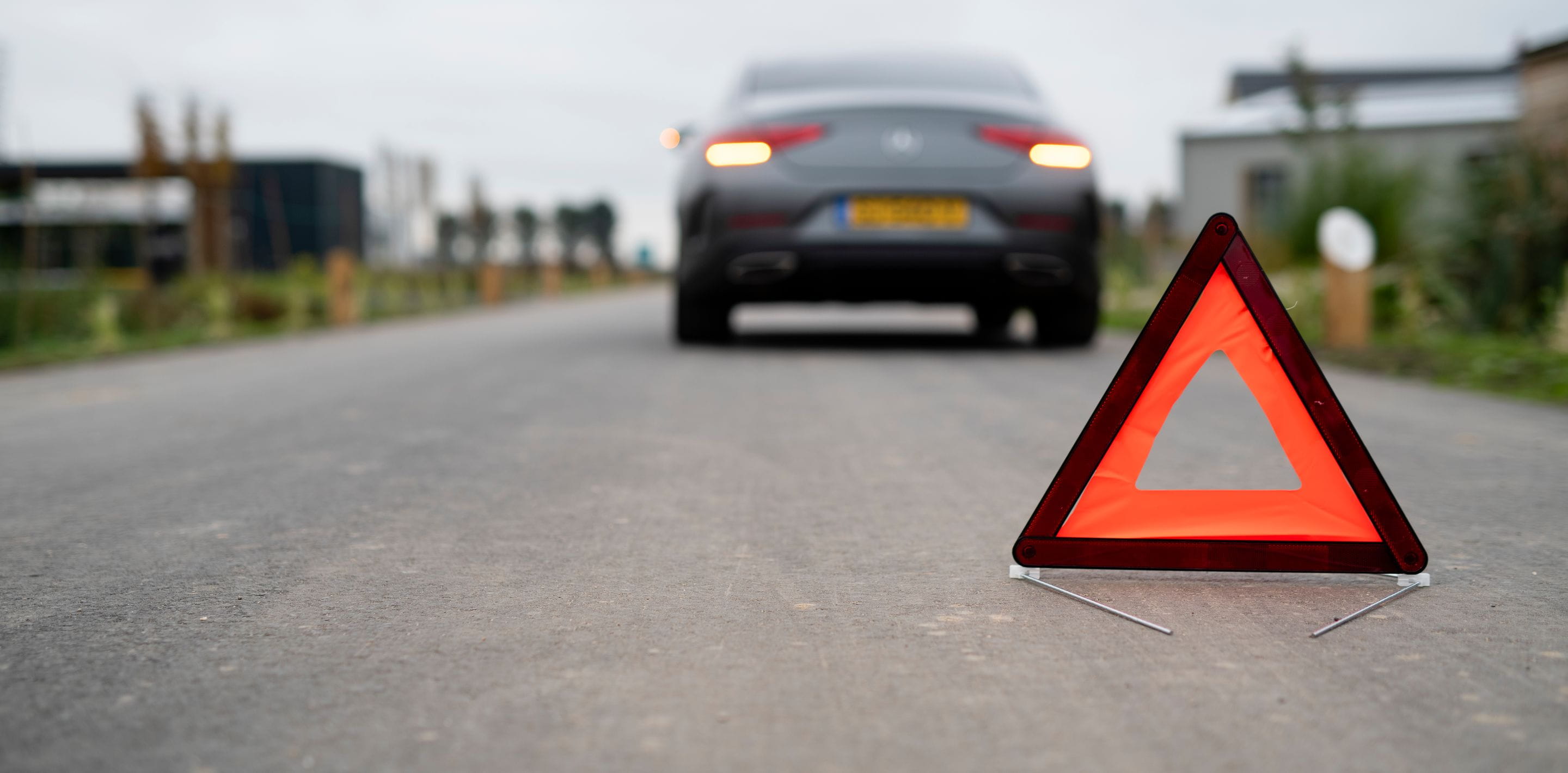
How to prepare for a wildlife collision
Autumn has arrived once again, bringing with it an increased risk of wildlife crossing the roads. Collisions with wild animals occur most frequently during the night and early morning hours, when large game animals leave their hiding places to search for food and water, feeling safer under the cover of darkness. Such accidents often result in vehicle damage and, in some cases, can cause personal injury despite careful and lawful driving. For this reason, it is important for motorists to understand the legal implications of wildlife-related accidents as well.
As of July 1, amendments to Hungary’s hunting legislation have changed the rules governing liability in collisions involving wild animals. Unlike previous practice, responsibility for the resulting damage now rests, in most cases, with the owner or registered operator of the vehicle rather than the local hunting association. In this article, we provide a detailed overview of the updated regulations to help drivers prepare for the autumn season with confidence.
Although motorists may encounter large wild animals on the road at any time of the year, the risk of collisions increases significantly during the autumn months. Along roads where wildlife crossings are common, hunting associations place warning signs to alert drivers to the danger. These signs indicate that motorists must choose a speed that allows them to avoid a collision even if an animal suddenly appears on the roadway. However, caution should also be exercised on forested or heavily vegetated roads where no warning signs are present. If you spot a wild animal near the road, it is advisable to reduce your speed, as animal behavior can be unpredictable and several animals may appear together. Even so, a frightened animal may run into a slowly moving or even stationary vehicle.
Settling wildlife damage: the previous rules…
Compensation for damage resulting from collisions with wild animals was governed by the provisions of the Hungarian Civil Code relating to the “interaction of sources of increased danger.” Under the practice that applied until recently, when a collision occurred between a vehicle and wildlife, and both parties involved, namely the driver and the competent hunting association, had taken all reasonable measures to avoid the accident, or when responsibility could be attributed to both parties, each party was required to bear its own losses. This meant that the hunting association was responsible for damage affecting the wildlife population, while the driver bore the cost of any damage to the vehicle.
As a general rule, the driver could be held liable if they had failed to adapt their speed to the road, traffic, or weather conditions. The hunting association, on the other hand, could be held responsible if no wildlife warning signs had been placed in an area where the risk of animal crossings was known. In such situations, the injured party was entitled to seek compensation from the other party. Motorways and expressways constituted an exception to these rules, as drivers were not expected to anticipate the presence of wildlife on these roads. Consequently, any wildlife-related damage occurring on such road sections was typically the responsibility of the hunting association.
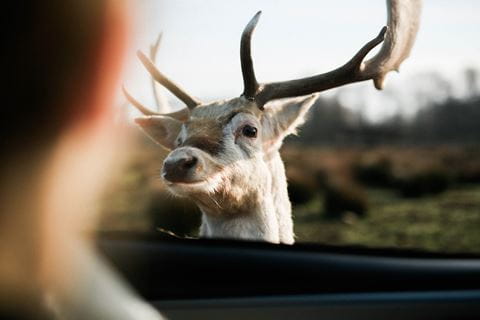
What has changed?… and now
On 1 July, Act XLIV of 2023 entered into force, introducing amendments to Act LV of 1996 on the Protection of Game, Game Management and Hunting. Under the new rules, a hunting association can only be held liable for damages resulting from a collision with wildlife if the driver can prove beyond any doubt that the animal was being chased, driven, or shot immediately before the accident. If this cannot be demonstrated, the vehicle owner can no longer expect compensation from the hunting association. In fact, it is likely that the hunting association itself may seek compensation for the loss of the animal The legislative changes also stipulate that expressways and motorways must be operated in a way that prevents wildlife from entering these roadways. As a result, the operation of such roads is no longer considered a case of liability arising from inherently dangerous activities. Instead, responsibility for wildlife collisions occurring on motorways and expressways rests with the road operator, who is liable for animals struck on these road sections.
What to do if a collision occurs
If a collision with a wild animal occurs, the first thing to assess is whether anyone has been injured. If there are personal injuries, it is your legal obligation to call both the police and emergency medical services. If no one has been hurt, police intervention is not mandatory, although it may still be advisable to request an official accident report. In such cases, the police will notify the relevant hunting association, and the documentation may also help establish that the driver was not at fault.
The average cost of damage resulting from a wildlife collision can easily reach hundreds of thousands or even millions of forints, making appropriate insurance coverage particularly important. One option is comprehensive CASCO insurance that covers collision damage, since compulsory motor liability insurance alone does not cover damage to your own vehicle, but only compensates innocent third parties in the event of an accident. Many insurers now also offer dedicated wildlife damage coverage as an add-on to compulsory insurance. Such policies may cover injuries sustained by the driver and passengers, damage to the vehicle, and even damage resulting from the injury or death of the animal. If this coverage is in place, the insurer will typically reimburse repair costs in a manner similar to CASCO insurance, subject to any applicable deductible.
Following a wildlife collision, never approach or touch the animal. If it is still alive, it may cause serious injury through antlers, bites, or kicks. Likewise, the carcass of a dead animal must not be removed from the scene, as it remains the property of the hunting association and taking it away may constitute theft under the law. If the injured animal escapes, the incident should still be handled in the same way as if the animal had remained at the scene, regardless of whether the accident occurred on a main road or a secondary road. For your own protection, it is advisable to take photographs and, if possible, videos of the scene, and to ask the attending police officers to do the same. On motorways, a dashcam can be particularly useful in documenting the circumstances of the accident.
For Ayvens customers, comprehensive CASCO insurance and roadside assistance services are included in most fleet contracts. Assistance is available 24 hours a day in the event of an accident or mechanical breakdown, ensuring that support is always at hand when needed.
.jpg?rev=3d39083d27da4cd4b70d202116ad7de7&mw=600&io=transform%3Afill%2Cwidth%3A600)