

5 innovations that are changing driving forever
Fully self-driving vehicles are not here yet, but that doesn’t mean there isn’t significant progress being made in driver assistance systems. Batteries are also improving continuously, and the car is becoming a digital extension of your smartphone. This brings many benefits!
Lidar: your vehicle makes you a better driver
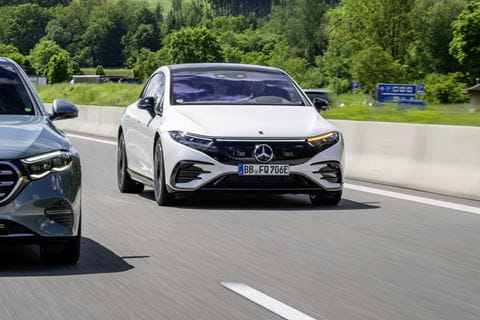
Lidar stands for Light Detection and Ranging, a technology that allows the car to create a 3D image of its surroundings using laser pulses. The system helps active driver assistance systems react faster and better and is indispensable for the proper functioning of self-driving vehicles. However, self-driving vehicles also need cameras, radar, and GPS to form a complete 3D image of their environment. Mercedes already offers the so-called Drive Pilot, which can take over steering on certain highway sections.
Supercomputers and AI: your vehicle knows what you want
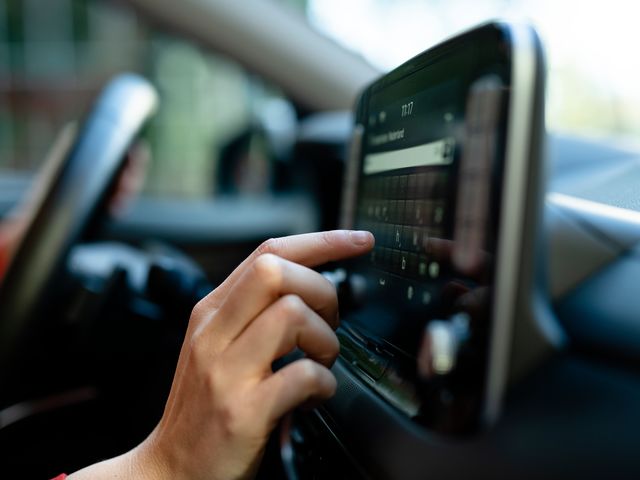
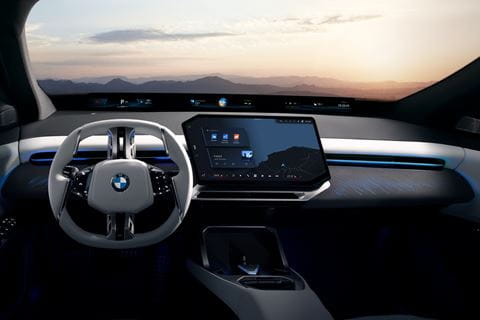
Conventional vehicles are often controlled by a central computer connected to various low-tech control units and data networks within the vehicle. New vehicles operate with a single central super-brain and powerful chips capable of performing trillions of operations per second. Thanks to a cloud connection, this powerful computer can receive new software over-the-air. Add artificial intelligence, and you get a vehicle that continuously learns and reacts smarter. It virtually knows what you want even before you give a command…
800-Volt LFP batteries; cheaper and more sustainable
The solid-state battery (SSB) has been dreamed of for years but remains science fiction for now. What is already a reality today is the LFP battery. LFP stands for lithium iron phosphate, a chemical composition that eliminates the need for cobalt, nickel, and manganese. This type of battery is therefore not only much more sustainable but also cheaper. By doubling the system voltage from 400 to 800 volts, these batteries can handle charging speeds of up to 300 kW. Charging from 10% to 80% takes only ten to fifteen minutes, depending on battery size. You can find this technology today at Xpeng.
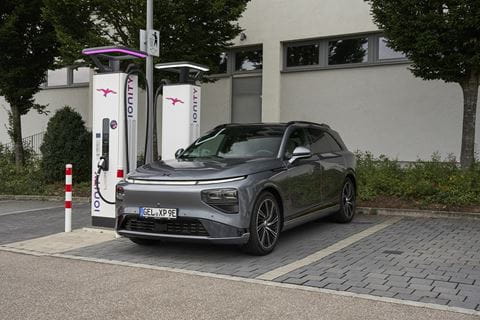
Inductive charging for EVs: no more cables needed
Putting your smartphone on a platform to charge it wirelessly is now very common. So why doesn’t this technology exist yet for electric vehicles? There have been quite a few obstacles for wireless charging. Until now, a lot of energy was lost during wireless charging, and inductive charging requires very precise positioning of the vehicle on the charger. Porsche claims to have mastered the technology: the (currently still camouflaged) new Cayenne parks itself and can charge wirelessly with 11 kW and 90% efficiency.
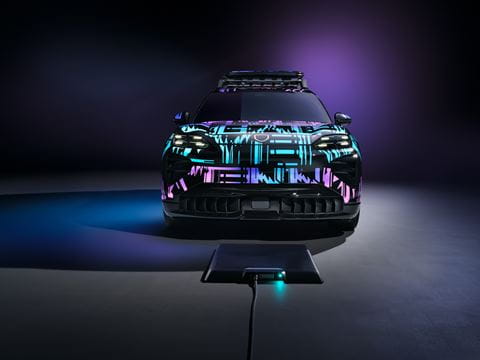
Smartphone-as-Key: no more physical key needed
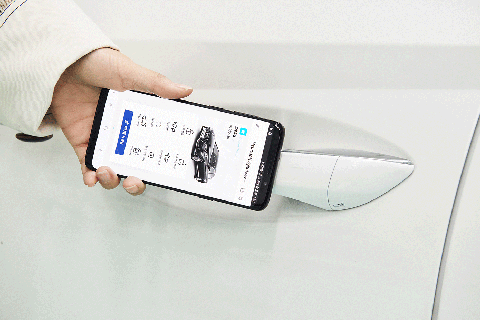
A car key is so passé! The newest vehicles can be unlocked and started with your smartphone or smartwatch. You download the vehicle brand’s app on your device, pair it with your car via Bluetooth or Ultra-Wide Band (UWB), and securely store the digitally created key on your connected device. Simply having it near the vehicle unlocks the doors and allows you to drive away. You can also create and send digital keys to other users. They remain valid as long as you want.