



Company cars as an employee benefit: When are they worth it?
Company cars that employees can also use for private purposes remains one of the most popular forms of employee compensation by businesses in Hungary. In fact, in certain roles and positions, it has become an almost standard part of compensation package. This type of fringe benefit is not only attractive to employees but can also offer significant financial and HR advantages for employers, provided they choose the right fleet solution. In this article, we explore the key considerations involved in building and managing a company fleet, helping businesses maximize the value of their corporate car programs.
There are many roles in which the use of a vehicle is essential, as the car effectively serves as a working tool. From an efficiency perspective, it is therefore crucial that company vehicles remain in good condition, since any inability to perform their function can result in downtime and financial losses for the business. With the exception of certain forms of employment, such as food delivery services, it has become increasingly uncommon for employees to use their privately owned vehicles for work purposes in exchange for financial compensation from their employer. Beyond supporting mobility, company cars can also serve as valuable branding tools. Through a consistent appearance and design, they can act as branding tools, helping to communicate the company’s message and reinforce its corporate image wherever they are used.
A win-win solution for both employers and employees
Apart from pool cars and light commercial vehicles, relatively few company vehicles today are used exclusively for business purposes, travelling only between company sites. In Hungary, approximately 60-70% of new vehicles are purchased by corporate customers, and in many cases, companies provide vehicles not only as work tools but also as employee benefits, allowing private use as well. The value of company cars available for personal use increased significantly during the COVID-19 pandemic, when they offered a safer alternative to public transportation. In today's economic environment, they can also relieve employees of the considerable financial burden associated with purchasing and maintaining a private vehicle. Even a used mid-range car typically costs several million forints to acquire, while ongoing expenses such as financing costs, servicing, tyres, insurance, tolls and fuel can easily exceed HUF 100,000 per month. As a result, when an employee receives a company car as a benefit and all related expenses are covered by the employer, it can translate into savings of at least HUF 100,000 per month, making it a highly attractive component of the overall compensation package.
For employers, allowing private use of company vehicles can provide significant advantages in both recruitment and employee retention. Finding and retaining skilled employees for the long term is becoming increasingly challenging, particularly when a company’s premises are located in areas that are difficult to access. In such cases, offering a company car can make a position more attractive and help reduce staff turnover. For senior management and other key positions, the provision of a company vehicle is often considered a standard expectation within the benefits package. In certain industries, failing to provide a company car may even hinder recruitment efforts altogether. This is particularly true in the IT sector, where the type and specification of the vehicle can become a topic of negotiation during the hiring process.
In addition to enhancing the employee experience and carrying a certain prestige value, a company car offered as a benefit can also be a more cost-effective solution for employers than providing an equivalent increase in salary. Due to high employer contributions and inflationary pressures, a vehicle provided as a form of compensation is often more economical than raising wages by a comparable amount. In Hungary, company cars benefit from favourable tax treatment, including exemptions on private use and the ability to offset certain vehicle-related taxes. As a result, while the employee may enjoy savings worth hundreds of thousands of forints annually, the overall cost to the company can still be lower than providing an equivalent salary increase

A complete fleet solution through operational leasing
For most businesses, the most efficient way to acquire and operate company vehicles is through long-term rental, also known as operational leasing. Under this arrangement, the monthly lease payment is fixed, predictable, and includes all costs associated with vehicle use. In addition, the accounting treatment is simpler than with other types of leasing. Regardless of whether the company car is also used for private purposes, at least 50 percent of the VAT on the lease payment can be reclaimed without the need for detailed mileage records. This further enhances the tax efficiency of providing a vehicle as an employee benefit compared to equivalent salary compensation. Moreover, the fleet management provider takes over a wide range of operational and administrative responsibilities, allowing businesses to focus on their core activities.
For both employers and drivers, operational leasing offers convenience, prestige, and peace of mind. As part of the lease agreement, the leasing provider typically takes care of comprehensive vehicle maintenance, tire replacement and storage, mandatory liability and CASCO insurance, and roadside assistance services. These services often include vehicle recovery, replacement vehicles, and chauffeur services when necessary. In addition, motorway vignettes and fuel cards are usually provided, with fuel usage generally covered within reasonable limits and often including unlimited domestic consumption. Altogether, these benefits contribute to employee well-being and satisfaction, helping companies strengthen loyalty and retention among their workforce.

“Even when building a fleet and developing a fleet policy, it is worth seeking expert advice. A specialist can optimize the vehicle fleet according to the company’s objectives while taking into account factors such as the purpose of vehicle use, expected monthly mileage, employee preferences, and the organization’s sustainability goals. As an employer, it is important to involve the expert as early as the vehicle selection process, including the choice of brand and equipment level. At the same time, employees should be given the opportunity, within controlled parameters, to choose a vehicle that reflects their individual needs and preferences or some drivers, a large luggage compartment is essential because they travel frequently. For others, particularly those with large families, a seven-seat configuration may be more important. In some cases, even a specific feature such as adjustable lumbar support can significantly improve an employee’s comfort and satisfaction. However, requests that go beyond commonly expected features, such as an automatic transmission, adaptive cruise control, heated seats, parking assistance systems, digital climate control, or metallic paint that maintains its appearance despite frequent car washes, should be carefully assessed from a practical and cost-efficiency perspective. Employers should consider setting a budget limit for optional extras or asking employees to contribute toward equipment not covered by company policy, as such features can generate unnecessary costs and may not necessarily increase the vehicle’s resale value,” advises Eszter Harmat, former Commercial Director of LeasePlan Hungária Zrt.
A company car policy should not only define employees’ rights but also clearly outline their responsibilities. This includes compliance with the rules governing the use of vehicle-related services as well as any financial obligations associated with operating the vehicle. Such costs may arise from traffic or parking fines, insurance deductibles related to damage caused by the driver, service expenses resulting from improper use of the vehicle, fuel purchased abroad, or items bought in service station shops using a company fuel card.
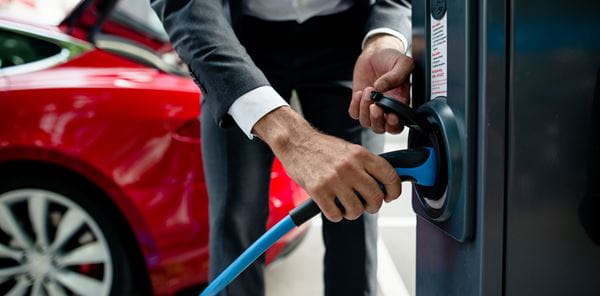
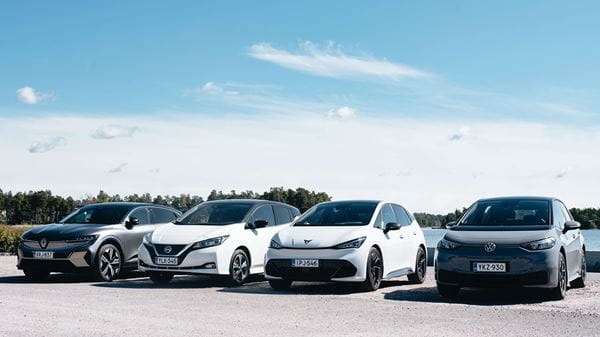
Electric vehicles are becoming an increasingly important role within corporate fleets. They are particularly well suited to replacein lower-mileage company cars provided as employee benefits that would otherwise be powered by internal combustion engines. While the financing costs of electric vehicles are generally higher, their total cost of ownership is often comparable to that of conventional vehicles thanks to tax incentives and lower operating expenses. “Since users of company electric vehicles are often senior employees, these cars can serve as an excellent tool for leadership by example when it comes to putting a company’s carbon reduction ambitions into practice. To ensure cost-effective operation of electric fleet vehicles, employers should provide access to workplace charging facilities and should also consider supporting home charging solutions for employees living in private houses. These measures can significantly increase acceptance and adoption of electric vehicles across the organization,” added Eszter Harmat, former Commercial Director of LeasePlan Hungária Zrt.
.jpg?rev=3d39083d27da4cd4b70d202116ad7de7&mw=600&io=transform%3Afill%2Cwidth%3A600)