

With the wind at your back: traffic rules for e-bikes, speed pedelecs and e-scooters
E-bikes, speed pedelecs, and e-scooters have become a familiar sight on our streets. And for good reason: they’re fast, sustainable, convenient in the city, and get you smoothly from point A to B—without traffic jams. But with this popularity comes an increase in accidents. So it’s time to refresh your knowledge of the rules of the road, so you can continue to enjoy your electric rides safely and with peace of mind.
E-bikes: safe cycling with extra support
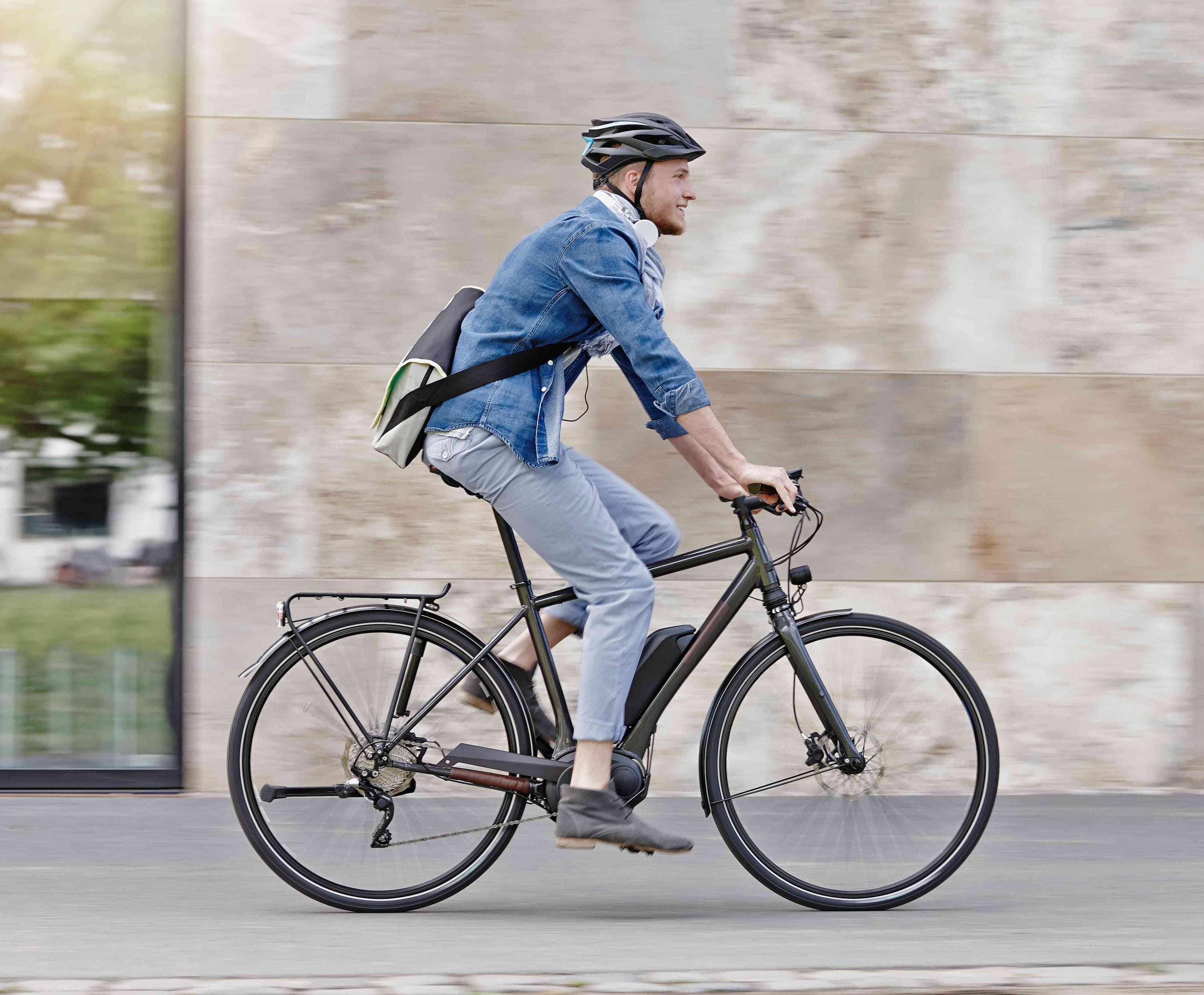
A “standard” electric bike provides assistance up to 25 km/h and has a motor with a maximum power of 250 watts.
Good to know:
- You don’t need a driver’s license, license plate, or insurance.
- A helmet is not mandatory, but it is recommended.
- There is no minimum age, although some road experience is definitely helpful.
Important: if your bike can move without pedaling (for example, via a throttle), it is considered a moped. In that case, very different rules apply, including the need for insurance, a helmet, and a driver’s license.
Fatbikes: e-bikes with wide tires
Fatbikes are the rugged cousins of e-bikes, with their wide tires and robust look. The traffic rules are the same as for e-bikes, as long as pedal assistance stops at 25 km/h.
What you should NOT do: modify your fatbike to increase its speed. As soon as the assistance continues above 25 km/h or the bike has a throttle, it is considered an illegal moped—and that can lead to confiscation.
So when buying one, always check whether the bike complies with Belgian regulations. That way, you won’t run into any unpleasant surprises.
E-scooters: convenient and fast, but not without risks
You see them everywhere in cities: e-scooters are a fast and environmentally friendly way to cover short distances. However, their growing popularity has also led to more accidents, often resulting in serious injuries. That’s why there is currently an active debate within the government about introducing additional rules, such as making helmets mandatory. For now, these are the rules in force:
- Maximum speed: 25 km/h
- Minimum age: 16 years
- Helmet: not mandatory, but recommended
- No driver’s license or insurance required
- Road behavior: e-scooters follow the same traffic rules as cyclists, so use the bike lane where available
Parking is allowed on the sidewalk, as long as you don’t obstruct passage. In some cities, specific parking zones or restrictions apply—so always check the signage. Carrying passengers is not allowed. E-scooters with a seat or those that can exceed 25 km/h fall under moped regulations (class B), with the same obligations as speed pedelecs.
Speed pedelecs: the fast sprinters
Speed pedelecs are the speedsters among electric bikes: they can reach up to 45 km/h with pedal assistance. As a result, they are legally classified as class B mopeds. This means:
- Helmet is mandatory
- AM driving license required
- Insurance and license plate mandatory
- You must be able to present a certificate of conformity
- You should preferably ride on the bike path (unless indicated otherwise) and never on the sidewalk
Speed pedelecs are ideal for longer commuting distances, but they do require that extra bit of responsibility.
Safe, smart, and electric mobility
Whether you’re riding an e-scooter, e-bike, or speed pedelec, electric mobility is a great way to travel more sustainably and efficiently. Safety remains the top priority! Always wear visible clothing and follow the rules, while staying mindful of other road users. That way, we all contribute to smooth, modern, and safe traffic.