


From Electrification to Evolution: Navigating the Auto Industry’s Next Phase
The car of the future is arriving—more slowly, and less cleanly than some earlier expectations suggested. That, at least, was the prevailing mood at the Financial Times’ “Future of the Car” gathering in London in mid-May. If the past decade was marked by evangelical zeal for full electrification, the next may be shaped more by pragmatism: hybrids, partnerships, and a wary eye on China.
Electrification: Progress, but not as planned
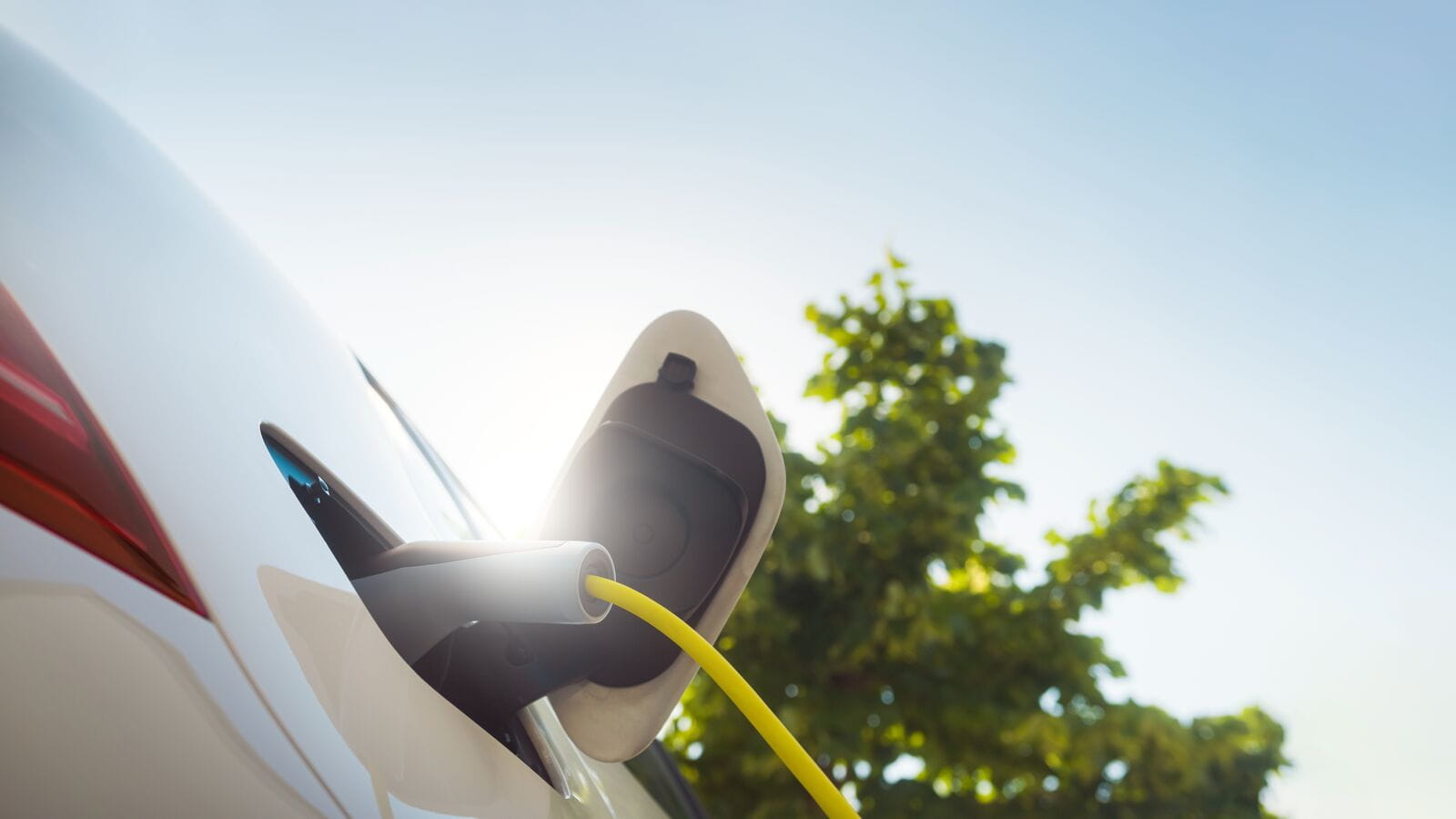
The industry is not retreating from electrification so much as recalibrating. Executives were candid: battery-electric vehicles (BEVs) are still the endgame, but the road there is longer and bumpier than expected. Subsidy withdrawals in markets such as Germany and the United States have already dented demand, while high upfront costs and infrastructure constraints persist.
In this gap, hybrids—particularly plug-in hybrids—are enjoying a second wind. Rising oil prices may tilt the economics back in favour of electrified drivetrains, but for now, many consumers and fleets remain reluctant to go fully electric.
There are technological bright spots. BYD’s “flash charging” system, promising near-full recharges in under ten minutes, drew attention as a potential tipping point for consumer acceptance. Yet even such advances underscore a broader truth: the EV “tech stack” is evolving so rapidly that product cycles struggle to keep up. By the time a new model reaches production, parts of it may already be obsolete.

China: the fast fish
If there was one key concern raised during discussions, it was China. Not merely because of cost competition, but because of speed - organisational as much as technological.
Chinese firms can redesign components in months rather than years and iterate continuously. One executive described this less as “China speed” than “China thought”: a culture of constant change rather than episodic innovation.
Their advance in Europe is no longer hypothetical. Brands linked to Chery, Changan and BYD are scaling distribution networks, simplifying product lines, and tailoring vehicles to local tastes. Some have already secured meaningful market shares in the UK, underlining how quickly newcomers can gain traction.
European incumbents, by contrast, remain facing structural and regulatory constraints, regulatory complexity and slower decision-making. Even so, they are learning. Volkswagen, for instance, is adopting Chinese-style platform sharing and looking eastward for manufacturing lessons, even as it avoids importing China-built cars into Europe.
The competitive threat is not just in price. It lies equally in integration—of batteries, software and supply chains—and in the willingness to invest heavily, consistently, and for the long term.
Investment: Too big to go it alone
If electrification is proving harder than expected, it is also proving vastly more expensive. Building gigafactories, developing software-defined vehicles, and securing supply chains require capital on a scale that few firms can muster independently.
This is pushing the industry toward partnerships. Volvo’s embrace of Geely offers access to Chinese R&D and supply chains; Volkswagen’s tie-up with Rivian is accelerating software development; Stellantis is expanding its alliance with Leapmotor. Even BYD, though more vertically integrated, is seeking financial partnerships to support growth.
The logic is simple: the roughly $20bn being poured into the “smartification” of vehicles—layered atop electrification—far exceeds the balance sheets of most individual players.
Yet partnerships bring their own tensions. Western firms must reconcile the need for collaboration with concerns about data, intellectual property and geopolitical risk. Chinese firms, for their part, are selective: some see partnerships as essential, others as a constraint on speed.
Supply chains: From global to local
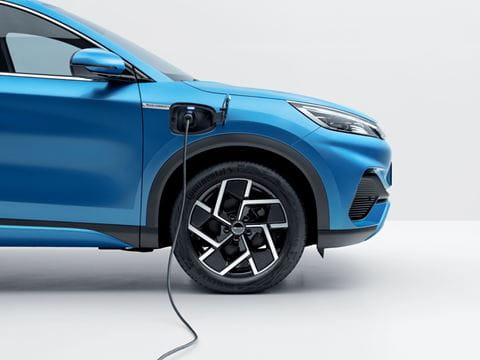
The post-pandemic push for resilience continues. Carmakers are seeking to localise supply chains where possible, particularly for critical components. Governments, too, are intervening—subsidising battery plants or setting rules on local content.
But localisation is easier said than done. Battery production remains capital-intensive and technologically demanding. Europe, speakers argued, could still catch up—but only with sustained commitment. The failure of ventures such as Northvolt loomed as a warning of what happens when funding or resolve falters.
At the same time, recycling is emerging as a strategic lever. Integrating recycled materials into initial production—not merely recovering them at end-of-life—could reduce both costs and carbon footprints.
Software, data... and scepticism
Much ink has been spilled on “software-defined vehicles” and their ability to generate recurring revenues. At this conference, enthusiasm was tempered. Some executives doubt that consumers will pay much for software features, suggesting the real benefit lies in lowering total cost of ownership through predictive maintenance and efficiency gains.
Data access remains a thorny issue, particularly in fleet markets. Regulation lags technology, and disputes over who controls vehicle data—OEMs, drivers, or fleet operators—are unresolved.
A more complicated future
Put it all together, and the industry’s trajectory looks less like a clean break and more like a messy transition. Electrification continues, but unevenly. Chinese firms press their advantage, but face questions of trust and localisation. Partnerships proliferate, even as they complicate strategy.
Above all, the sector is discovering that transformation on this scale is not just a technological challenge, but an organisational one. In today’s automotive world, it is no longer the largest companies that dominate, but the fastest.
The future of the car, it seems, will not be delivered in a single leap. It will arrive in stages—hybrid, collaborative, and fiercely contested.
This article reflects industry perspectives and does not constitute financial or investment advice.