

Three realities shaping the next generation of fleet: insights from the executive panel at Fleet Europe Days 2026
Electrification, artificial intelligence and consolidation are reshaping fleet management. For fleet leaders, the opportunity is to turn this transformation into practical, sustainable value.
Fleet and mobility are entering a period of profound transformation. Electrification is changing how vehicles are selected, financed and managed. Artificial intelligence is reshaping operational processes, while growing investment requirements are driving further consolidation across the leasing industry.
For fleet leaders, the question is no longer whether transformation is coming, but how to turn it into lasting value. That means accelerating where the conditions are right, addressing the barriers where they remain, and keeping customer needs at the centre of change.
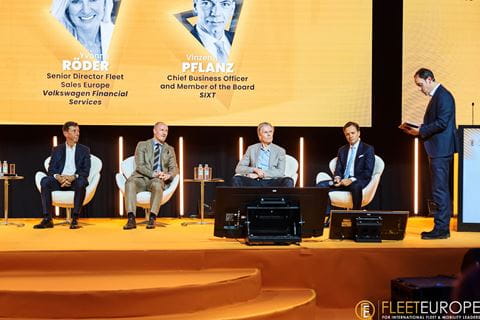
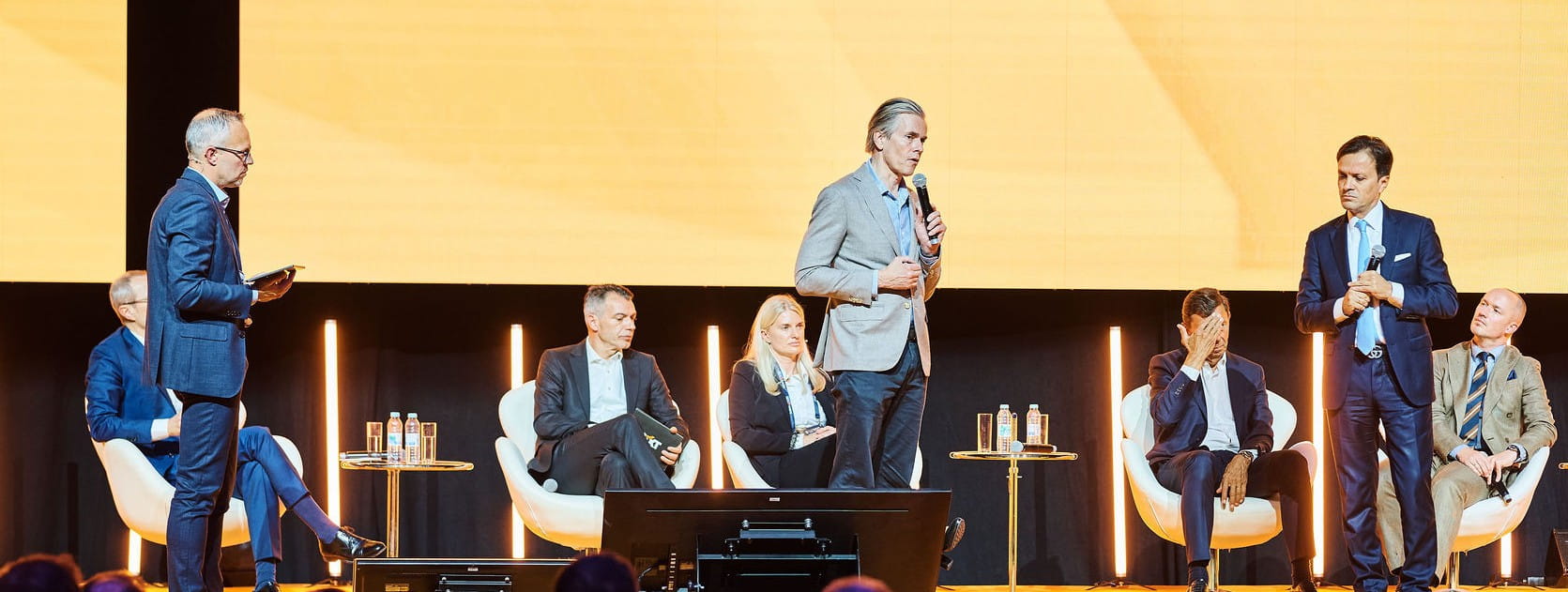
During Fleet Europe Days 2026, Berno Kleinherenbrink, Deputy CEO and Group Regional Director at Ayvens, joined fellow industry leaders to discuss some of the biggest questions facing fleet and mobility today.
From the discussion, three considerations stand out for fleet leaders navigating what comes next.
Electrification needs the right conditions
Corporate fleets have an important role to play in Europe's transition to electric mobility. But as electrification progresses, the next phase of the transition will increasingly depend on addressing the practical differences between markets.
During the panel, Berno warned that mandates introduced without the necessary enabling conditions could disrupt demand in both the new- and used-car markets. Greater uncertainty around residual values could also affect the affordability of electric mobility.
The point is not to slow electrification, but to make it work. Berno argued that Europe cannot decarbonise transport without corporate fleets, but that fleets need the right conditions to make the transition succeed. Charging infrastructure, taxation, energy costs, vehicle affordability and driver acceptance still vary significantly between markets. The business case for a BEV can therefore look very different from one country to another.
For policymakers and the industry, this means looking beyond targets alone. Stable fiscal frameworks, sufficient charging infrastructure and measures supporting both new and used EV markets will all play a role in making the transition achievable. A healthy second-hand EV market is particularly important. Building confidence around battery health, vehicle condition and charging access can help electric mobility reach a broader group of drivers.
Ultimately, the question is not whether Europe should accelerate electrification, but how we make that transition affordable, practical and sustainable across the entire vehicle lifecycle.

Scale can expand capability
The demands placed on mobility providers are changing. Supporting fleets through electrification, digitalisation and increasingly complex international requirements calls for sustained investment in technology, cybersecurity, data and specialist expertise.
Against this backdrop, Berno expects further consolidation in what remains a fragmented industry. But the wider panel discussion also highlighted that size alone does not determine whether a provider is equipped for what comes next.
Its relevance lies in the capabilities it can support: stronger data and digital tools, deeper specialist expertise, investment in new services and greater coordination across markets. International fleet leaders are navigating changing regulation, cost pressures, sustainability targets and technological change, often in countries progressing at very different speeds. They need visibility across their operations while retaining the flexibility to respond to local conditions.
Scale can provide the foundations for that support, but it must be combined with local market knowledge, operational expertise and clear accountability. The relevant question is therefore not simply how large a mobility provider is, but whether it can translate scale into expertise, investment capacity and effective delivery across markets.
AI will reshape where human expertise creates value
Artificial intelligence prompted some of the panel's most lively debate.
Across leasing and fleet management, AI has the potential to automate repetitive activities, simplify customer journeys, support operational decisions and unlock greater value from data. AI is likely to reshape traditional operational activities across the leasing industry. As repetitive processes become more automated, human expertise will increasingly focus on complex customer advice, strategic judgement, risk management and accountability.
For fleet managers, that could mean a similar shift: away from day-to-day administration and towards managing the bigger picture across costs, sustainability, employee needs and business priorities. There also need to be clear boundaries. Decisions involving safety, ethics, legal liability or customer risk require human oversight.
The opportunity, therefore, isn't automation for its own sake. It's combining technology with human judgement to create simpler, faster and better-informed mobility decisions.
Preparing for what comes next
Electrification, AI and consolidation may seem like separate developments, but together they point towards the same reality: fleet and mobility are becoming more interconnected and complex.
Navigating that transformation will require global ambition grounded in local market realities, technology applied to clear business needs and capabilities that can adapt as the market evolves.
For fleet leaders, preparing for 2030 does not mean predicting every change ahead. It means building the data, partnerships and flexibility needed to respond with confidence.