

.jpg?iar=0&rev=-1&mw=3276&io=transform%3Afill%2Cwidth%3A3276)
Tips for safe mountain riding
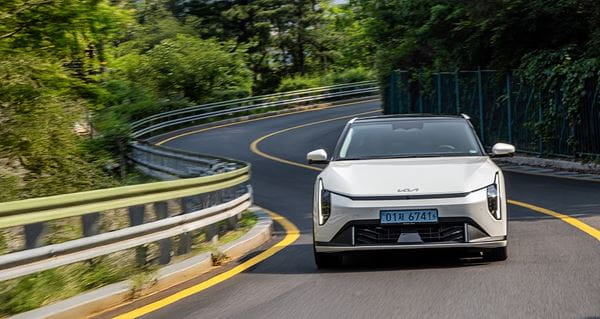
Driving in the mountains requires vigilance and caution, here are some tips for a safe and enjoyable ride, whatever the conditions.
Tips for safe mountain riding
The mountains are a very popular destination during the holidays, especially in winter. With its breathtaking scenery, clean air and plenty of outdoor activities, it's no wonder many people choose to escape to the mountains.
Packing the car, packing your bags, booking accommodations, planning activities and mapping out the itinerary are all common tasks when planning a family trip. However, one aspect that is often overlooked is safe riding in the mountains.

But do you need to learn how to drive in the mountains?
If you have experience, you may already know what to expect on the roads. However, if you are new to this type of riding, it is useful to know these basic tips for driving in the mountains. Understanding the particular challenges of mountain driving will not only improve your safety, but also allow you to enjoy the trip to the fullest.
Stay focused
Always be very attentive to your surroundings and the road ahead. Mountain roads are often winding and narrow, which can make driving more difficult. You may encounter unforeseen conditions, such as high winds, unstable gravel or animals crossing the road.
Staying alert will help you to react quickly to any surprises you may face.
Respect speed limits
This advice is always relevant, but in the mountains, it is essential to strictly adhere to the posted speed limits. Not all roads are clearly marked and speed limits may change frequently depending on road conditions. On narrow, winding roads without speed warnings, be careful with the throttle, especially when approaching a corner.
Excessive speed can lead to a loss of control, especially in tight corners.
Use low speeds on descents
On descents, avoid using the same speed for too long. This can wear out the brake pads unnecessarily and put more strain on the engine. Instead, use low gears to control your speed and reduce your reliance on brakes. This engine braking technique allows you to maintain a safe speed while preserving your braking system.
Be prepared for changing weather
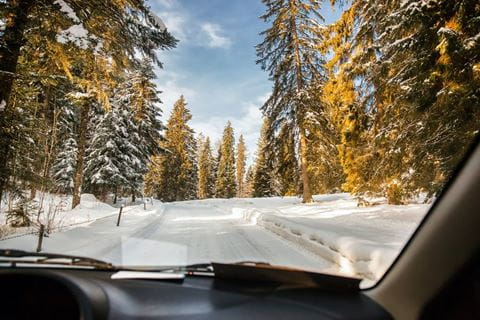
The weather in the mountains can change quickly, often without warning. Rain, snow or high winds can appear out of nowhere. At the first sign of bad weather, such as dark clouds or a sudden drop in temperature, reduce your speed. If conditions worsen, it may be a good idea to park in a safe place and wait for the weather to improve.
Keeping up to date with the local weather forecast before your trip can also help you to plan your trip accordingly.
Take breaks
Driving in the mountains can be tiring, even for experienced drivers. Driving at low speeds on rough roads requires constant attention and can be exhausting. It's important to take regular breaks to stretch your legs and refresh your mind. If possible, plan your itinerary to include rest stops with panoramic views, allowing you to appreciate the beauty of the surroundings.
If you are two drivers, take turns driving to reduce fatigue.

Choose the right vehicle
Choosing a vehicle that is suitable for mountain driving can make a significant difference in your experience. Cars with manual transmissions perform well in mountainous terrain, providing better control on steep slopes or descents. They allow drivers to select the appropriate gear based on conditions, which can improve safety and performance.
Automatic cars may also be suitable, but they may require more effort from the vehicle and driver, especially on steep inclines.
Other quick tips for mountain driving
- Pay attention to signs indicating steep slopes or dangerous conditions. These signs often provide crucial information about what to expect.
- When the road gets steeper, you may notice a decrease in engine power; Downshift to maintain control.
- If the engine drops below 1,500 rpm, brake, clutch and continue downshifting to avoid stalling.
- Keep in mind that steeper roads usually require slower speeds, both uphill and downhill. Adjust your speed accordingly to stay in control.
- When you downshift, the engine will make a different sound than it does on a flat road; This is normal, as the RPM will be lower than the minimum indicated on the tachometer.
- Be especially careful in snowy or icy conditions, keeping your speed as low as possible. Make sure your vehicle is equipped with winter tyres if you plan to drive in such conditions.
- Make sure your vehicle's first aid kits and first aid kits are complete and in good working order. Pack essentials like your mobile phones, batteries, water and survival items. It's always better to be overprepared than caught off guard.
Driving in the mountains can be a rewarding experience, offering stunning views and unique adventures. However, it is essential to approach mountain driving with caution and respect for the terrain. By following these tips and staying mindful of your surroundings, you can ensure a safer and more enjoyable trip. So, fasten your seatbelt, enjoy the ride and have a good trip!