

EVs Maintenance: Best Practice Guides
Maintain your electric vehicle like a pro with these essential best practices to preserve battery, tyres and performance.
Electric vehicles (EVs) are equipped with the latest automotive technologies available on the market, But that doesn't mean they never need a boost on the part of their drivers. To get the most out of your EV, You must give it the necessary care and attention.
How does this Is it exactly?

Let's start with the good news
EVs have fewer moving parts than internal combustion engine (ICE) vehicles, making them much more Easy to maintain!
But don't rest on your laurels! If an EV is poorly maintained, important components such as the batteries need to be replaced. And it is expensive. The replacement of the battery can undo any savings you could have made on the Total cost of ownership (TCO).
It is therefore absolutely essential to know How to maintain your electric vehicle. Here are our top five tips :
Check your tyres more regularly
Electric vehicles are considerably heavier than their combustion counterparts, their tyres therefore wear out faster if not properly maintained. The electric vehicles also produce instant torque when they accelerate, which accelerates wear.
It is therefore recommended that drivers of electric vehicles to check the wear and pressure of the tyres every month.
Tyres must be rotated every 8,000 km and replaced after 30,000 km. You can also buy tyres specifically designed for electric vehicles, which will have a higher long service life and will allow you to travel more kilometres.

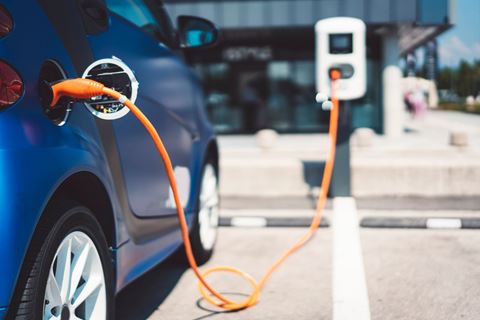
Do not overcharge the battery
If you want to avoid Replace your battery, you need to treat it properly. This means that There are several best practices you should follow:
- Don't leave it plugged in too long
- Don't abuse the function fast charging
- Don't leave the charge Descend too low, too often
To track the charging of your electric vehicle at home, we recommend that you set a timer.
Adapt to different weather conditions
Like any motor vehicle, An electric vehicle works best at certain temperatures.
Vehicles are equipped with thermal management systems that maintain the stable temperature, but conductors can also contribute to their Smooth operation. Leaving your car exposed to heat or Extreme cold can reduce the life of your battery. So, if your car is parked outside in cold weather, try to leave it in direct light of the sun.
You should also charge your vehicle more during the winter months, as you'll need extra power for the car heating system. If it rains, you should recharge more to compensate for the reduced traction on the roads wet.
In summer, avoid exposing your car at high temperatures by keeping it in the shade or preferably in a garage.
.jpg?rev=-1&mw=480&io=transform%3Afill%2Cwidth%3A480)
Take care of your brakes
Most vehicles are equipped with a regenerative braking system, a A feature that transfers energy to the battery when braking. This allows electric vehicle brakes to last longer than those traditional cars, but they don't last forever.
We will help you We recommend changing your brake fluid every three years. This Reduces the risk of brake system failure, including repair can cost thousands of euros.

Clean the chassis twice a year
All kinds of particles from the road can accumulate under your electric vehicle, So make sure to clean the chassis at least twice a year.
This will prevent road salt and other dirt from affecting performance and the range of your electric vehicle.
.jfif?rev=-1&mw=480&io=transform%3Afill%2Cwidth%3A480)
Electric Vehicle Maintenance Checklist
All of these tips should help you to avoid major vehicle maintenance issues electric. But there are many other things to consider, such as why we've put together a comprehensive list of checks to be done on your electric vehicle and when.
Every month
Inspect the interior lights and external ones; inspect tyre wear and pressure; check that the lug nuts are not loose; Inspect the fluid level windscreen washer; Check the coolant level.
Every six months
Check the connections of the 12 volt battery and clean them if necessary; Check that the drains are not clogged; Check the fluid levels of the cooling; check the parking brake; Inspect the lights security warning; Clean the chassis to remove materials corrosive.
Every 12 months (or 16,000 km)
Rotate the tyres; Replace the air conditioning filter; Perform a multi-point inspection.
Every 24,000 km
Replace the brooms windscreen wipers.
Every 32,000 km
Replace the air filter of the interior.
Every 3 years
Replace the brake fluid and coolant.
Learn more about Ayvens maintenance services, click here.