

Smart range at a glance
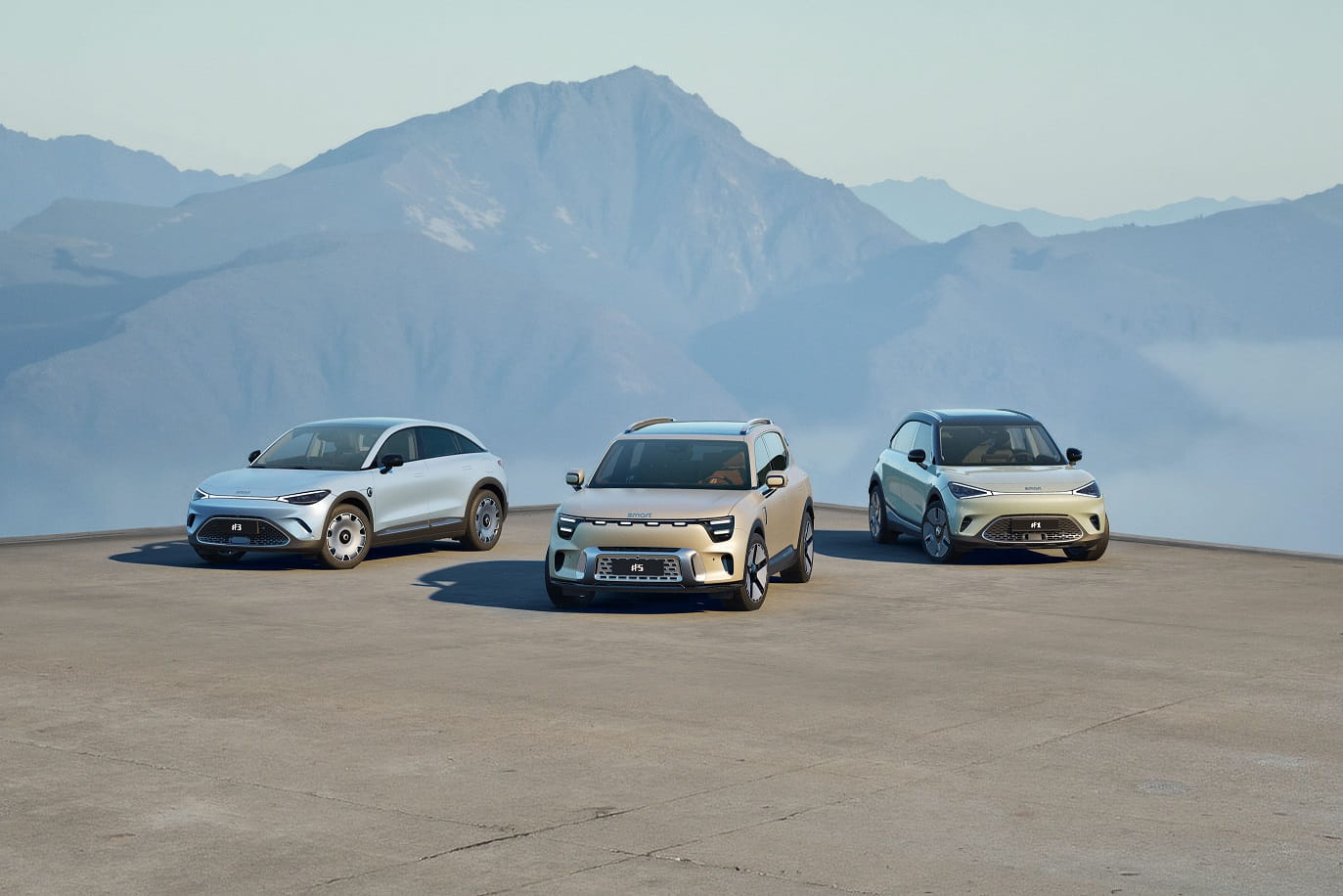
Smart is reinventing itself as 100% electric: #1, #3 and #5 scrutinised to see if they are really suitable for the city.
Smart, The emblematic manufacturer of compact city cars, has evolved profoundly. The era of two-seater models, true symbols of the brand, is for the Gone are the times!
The range, 100% electric, offers more spacious and Versatile, with three main models: the #1, the #3 and the #5. But these Are the new Smarts as "smart" and adapted to the city as their older women? We offer you an overview, presenting both the advantages and the limits of these electric cars.
.jpg?rev=-1&mw=480&io=transform%3Afill%2Cwidth%3A480)
1. Smart #1: the high-tech crossover that redefines the city
Features and design
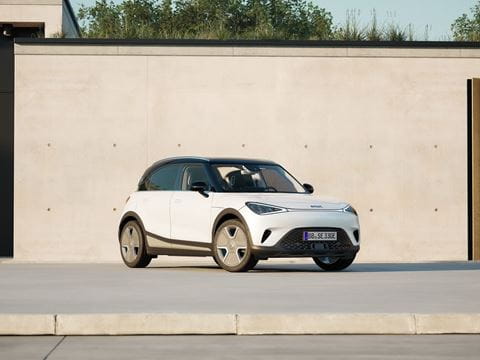
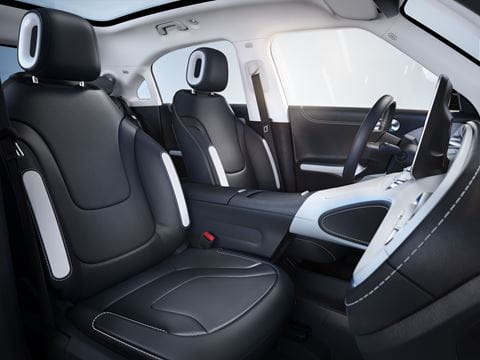
The Smart #1 stands out for its modern and dynamic design, with lines and an interior designed for comfort and connectivity. The Interior is equipped with an intuitive infotainment system, a digital interface and quality materials. Several finishes are available: Pure - Pro - Premium as well as a "Brabus" version that brings a touch sporty and exclusive.
Currently, the Smart #1 is the closest model to previous generations of the brand, especially the ForFour, although its size is closer to a Peugeot 2008 or a Nissan Juke.
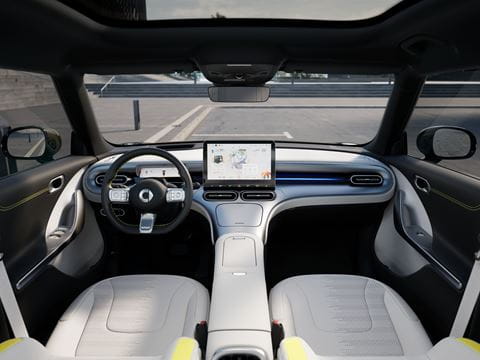
Feeling of space inside, proving that practicality rhymes with beauty.
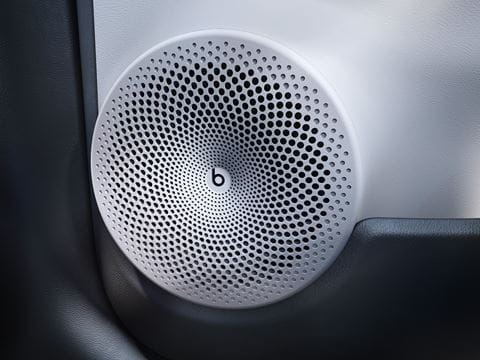
Beats® sound system with 13 speakers
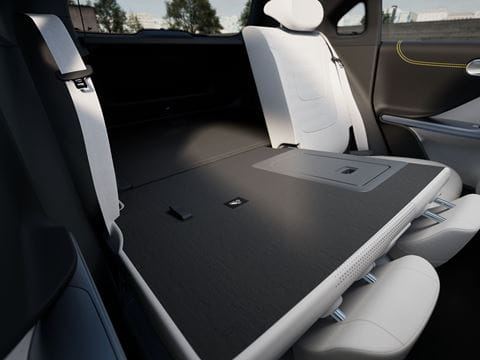
Fold-down rear seat offers flexibility
Driving and performance
The Smart #1 offers an agile ride, ideal for city traffic, with a Good responsiveness behind the wheel. Technical performance allows for a balance Between dynamism and autonomy, suitable for daily commutes. Nevertheless, the compactness of the vehicle can sometimes limit comfort in the rear on long journeys.
Power Displayed: 272 hp, 0-100 km/h in 6.7s.
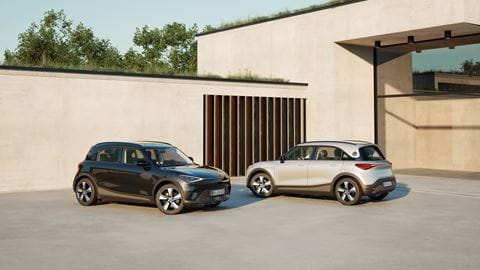
Everyday use
Easy Parkable and manoeuvrable, the Smart #1 is practical in the city. Its autonomy and The speed of charging are key criteria to check according to your use: 400 km WLTP and 30 minutes to go from 10% to 80% in fast charging.
Visibility and Ergonomics are also strong points, even if some users might regret a somewhat restricted interior space.
Weaknesses
Despite its qualities, the Smart #1 can show its limits on the highway or on the road especially in terms of comfort and performance at high speeds.
We will also note the lack of options for customising the interior, even if the production vehicles have all the essentials.
The price remains one point Low: The Smart #1 Brabus reaches up to €52,000, an amount that can be seem like a real trifle for this segment.
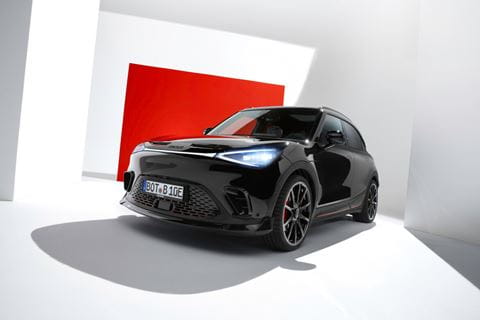
2. Smart #3: the balance between compactness and versatility
Features and design
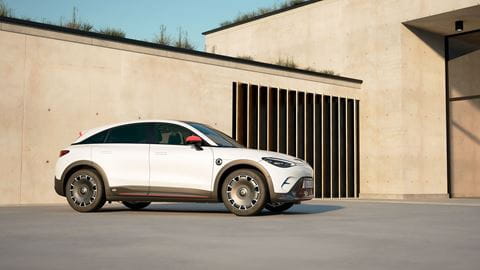
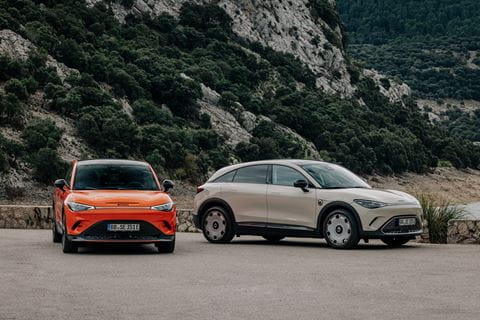
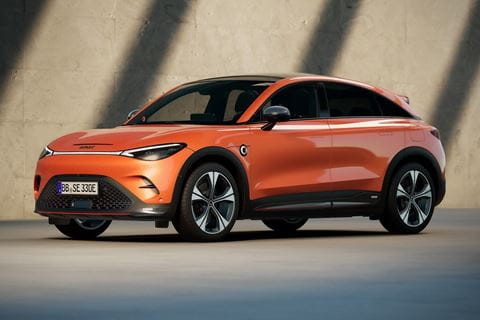
The Smart #3 is positioned as an urban SUV coupe, with a robust but Elegant, thanks to its streamlined roofline. The interior is spacious for the category, with a very neat finish and a Powerful multimedia. We note the extensive use of aluminium in the cabin, which is making its mark effect and which distinguishes the #3 from its competitors.
Level size, it is placed with the Cupra Born, Hyundai Kona or Citroën C4.
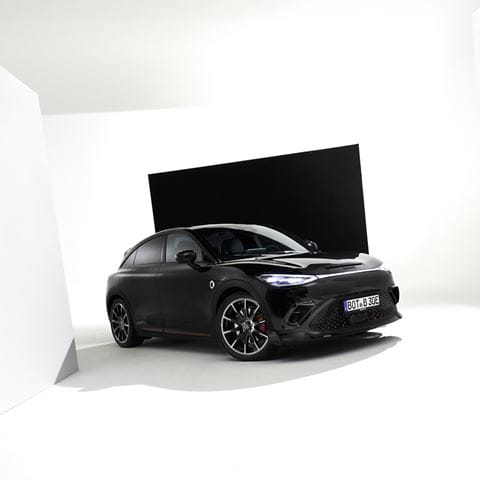
Here too, a " Brabus" is available, offering a more aggressive look and features additional information.
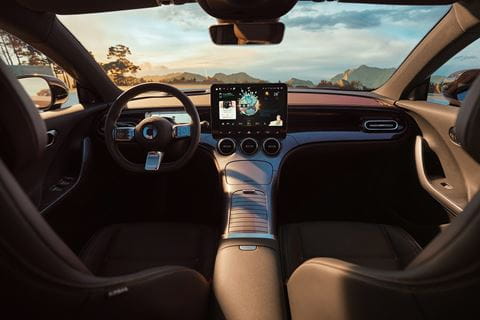
Your Smart comes with a variety of intuitive and personalised features
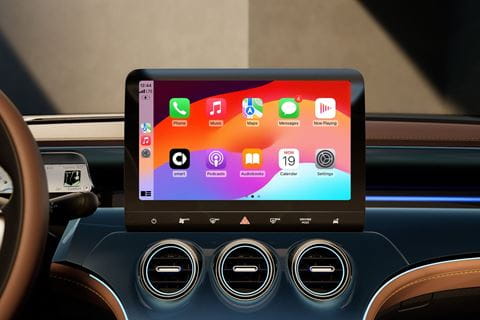
Use your favourite apps with seamless Apple CarPlayTM and Android AutoTM integration
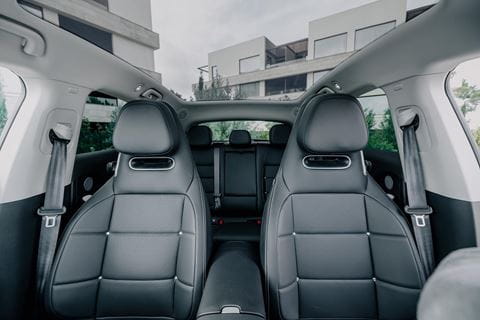
Heated synthetic leather upholstery with lumbar support and 6-way power adjustment.
Driving and performance
The #3 offers a comfortable driving experience, with good handling and sufficient acceleration for the city as well as for the journeys peri-urban areas.
Under the The Smart #3 offers a power of 272 hp electric. In its version Brabus, the power even goes up to 428 hp and allows you to perform a 0 to 100 km/h in 3.7s.
Everyday use
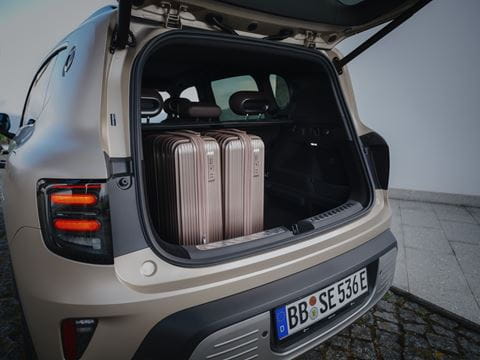
The Smart #3 is designed for those who are looking for more space without sacrificing space Maneuverability. Its trunk space and more generous rear seats make it An interesting choice for urban families.
Charging and range are suitable for mixed use: 455 km WLTP and less than 30 minutes to go from 10 to 80% in fast charging.
Weaknesses
The Trade-off between size and agility can make the #3 less effective in the narrow alleys than the smaller models. The price, depending on the finishes, can also be a big obstacle.
3. Smart #5: the full-size electric SUV
Features and design
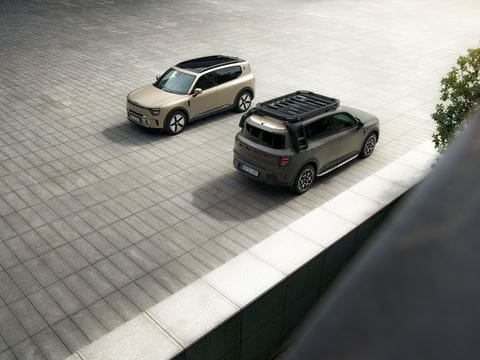
Clearly based on the Mercedes GLB, the Smart #5 marks the brand's entry into the larger electric SUV segment. It has a modern design and very different from #1 and #3. The interior is spacious and has advanced technologies like a huge central screen.
Side size, the Smart #5 is close to the Kia EV5, the Ford Kuga or the Mercedes EQB.
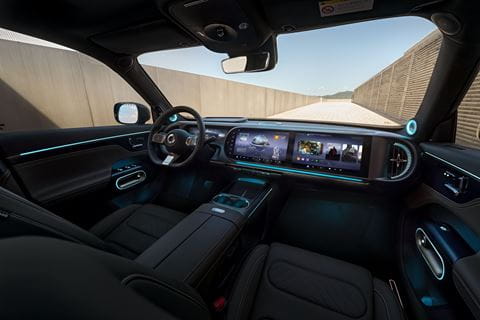
Comfort is enhanced by a smooth and intuitive user experience, as well as an immersive entertainment system.
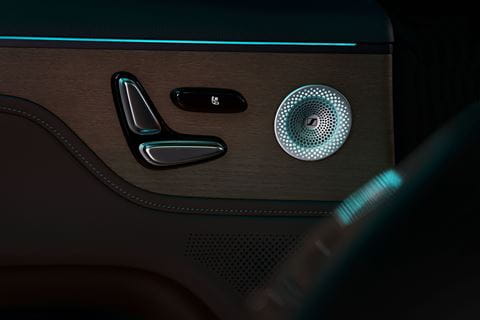
Beats® sound system and the ability to adjust the seats at the front and rear of the car.
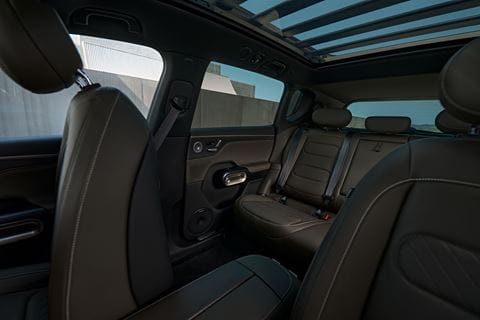
Rear seats with ISOFIX system and central rear armrest with two cup holders as well as access to the boot.
Driving and performance
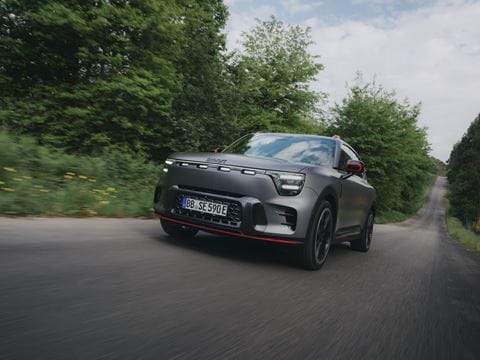
From 340 cv for the Pro version up to 646 hp for the Brabus version, the #5 promises more than solid performance. The entry-level model offers a 74.4 kWh battery for a range of 540 km while the other trims are equipped with a 94 kWh battery and a range of 590 km WLTP.
The High riding position provides good visibility, enhancing safety and comfort.
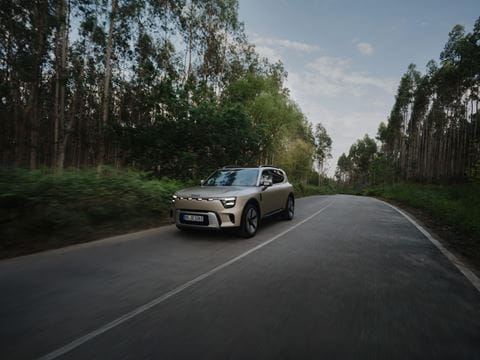
Everyday use
The Smart #5 is suitable for families or users looking for a vehicle Versatile electric car, capable of combining space, comfort and technology.
The Fast charging and modern driving aids make it easy to use.
Weaknesses
The larger size can make parking more complex by city centre. Sound Bold design can divide and push potential buyers to turn to a more conventional competitor.
Conclusion
Are the new Smarts still "smart"?
The Smart electric range, with its #1, #3 and #5 models, illustrates the transformation of the brand towards more versatile vehicles adapted to current needs. If the charm and compactness of the two original squares given way to more space and technology, these Smart cars remain city cars urban with a practical spirit.
Each model has undeniable qualities, between neat design, driving Nice and modern amenities. However, they are not exempt from limits, especially in terms of comfort on long journeys or prices depending on the finishes.
Finally, the presence of "Brabus" versions shows Smart's desire to combine Sportiness and exclusivity, true to its heritage.
Thus, Are the new Smarts as "smart" as their big sisters? The answer will depend on your priorities between compactness, versatility and technology, in an increasingly electric world.
It should also be noted that Smart is preparing a new model, the #2, the ForTwo's little sister: an ultra-compact two-seater, which is expected to be released at the end of 2026 and reconnect with the original essence of the brand.