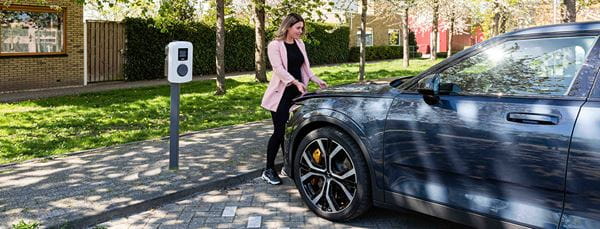



Electric vehicle charging: how long does it take?
Charging an electric vehicle: Find out what really influences the charging time and how to optimise it in everyday life.
When we talk about electric vehicles, the conversation quickly drifts to charging. The The most frequently asked questions are about the options available and the duration recharge. This article will introduce you to:
- Variables that influence duration charging
- The different types of chargers and their relative velocities
- Best practices Additional
Variables affecting cooldown
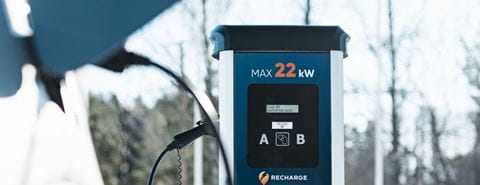
Maximum charging station power
The cooldown time of your Electric vehicle depends on:
- of the power of the charger
- your car's connection
- of the power supplied to the charging station.
The actual charging speed is determined by the lowest of the three speeds.
The batteries have different capacities (measured in kWh). Larger batteries take more time charging at the same power level, but a higher capacity Higher does not always mean greater range. The weight of the vehicle, as well as driving efficiency, also influence autonomy.
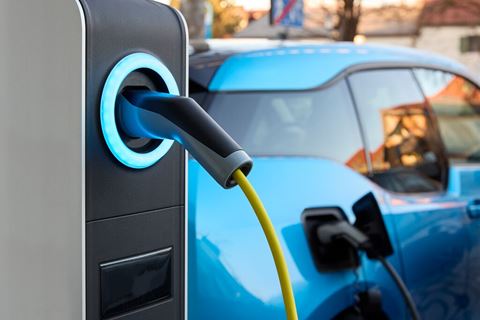
Battery size vs. maximum charging power
It is this relationship that determines your charging speed. Vehicles with large batteries are usually compatible with more powerful chargers, so compensate for their increased size.
State of charge
The state of charge made A reference to the charge level of an electric vehicle battery. Pros prevent your battery from degrading over time, it is best prevent the battery condition from being too low or too high. The experts recommend maintaining your electric vehicle between 10% and 90% of charging if possible.
If you are not at home and you are not using You should leave your car plugged in, but set the charge to 90%. This will prevent the battery from overcharging.
Driving behaviour
Most of the new Electric vehicles use an advanced "active cooling" system which allows for fast charging even after driving at high speeds.
The EV drivers need to watch their speed, as a Excessive use of the throttle can adversely affect the health of the battery at and long-term.
Outside temperature
A vehicle battery works best between 20 and 30 degrees Celsius. In cold weather, the Battery needs to warm up before it can charge properly. The premium brands, such as Tesla, have activated preheating for a Fast charging.
This consumes energy, but allows you to resume the faster. If your electric vehicle hasn't got the preheating, be prepared to wait longer to recharge it for the winter months.

Types of Chargers
There are two main Charger Categories: Alternating Current (AC) Chargers and Chargers direct current (DC) chargers.
AC chargers are generally installed at home or close to home.
The standard is AC Type 2, which is quite powerful: all electric vehicles can be charged during the night with this type of charger. Type 2 chargers have a maximum power of 22 kW when used at home. Renault also has its own AC charger: Mennekes AC, which has a 43 kW.
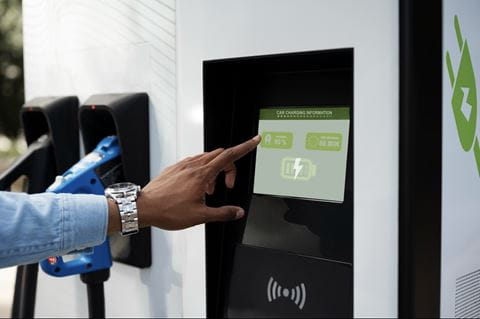
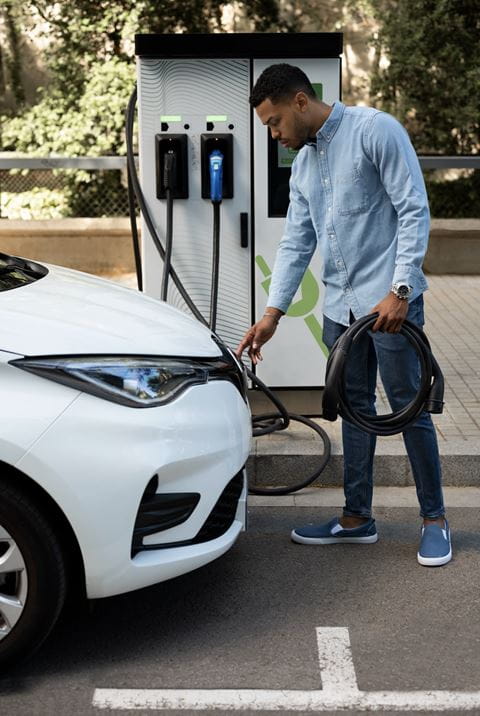
DC chargers are considerably faster. Typically found in public charging, they can charge a battery to 80% in just 20 minutes.
Other best practices
Plan your route to optimise battery usage
There are several apps to help you to plan the perfect route. Applications have a route planning feature that shows you the charging stations available and allows you to filter the different charging speeds.
Don't overdo fast charging
Fast charging is a temporary solution, not a long-term solution. Using a charger provides a lot of current to the batteries in a short time and this Increased stress accelerates battery wear.
According to Kia, eight years of standard charging will give you 10% more battery life than eight years of Fast charging.